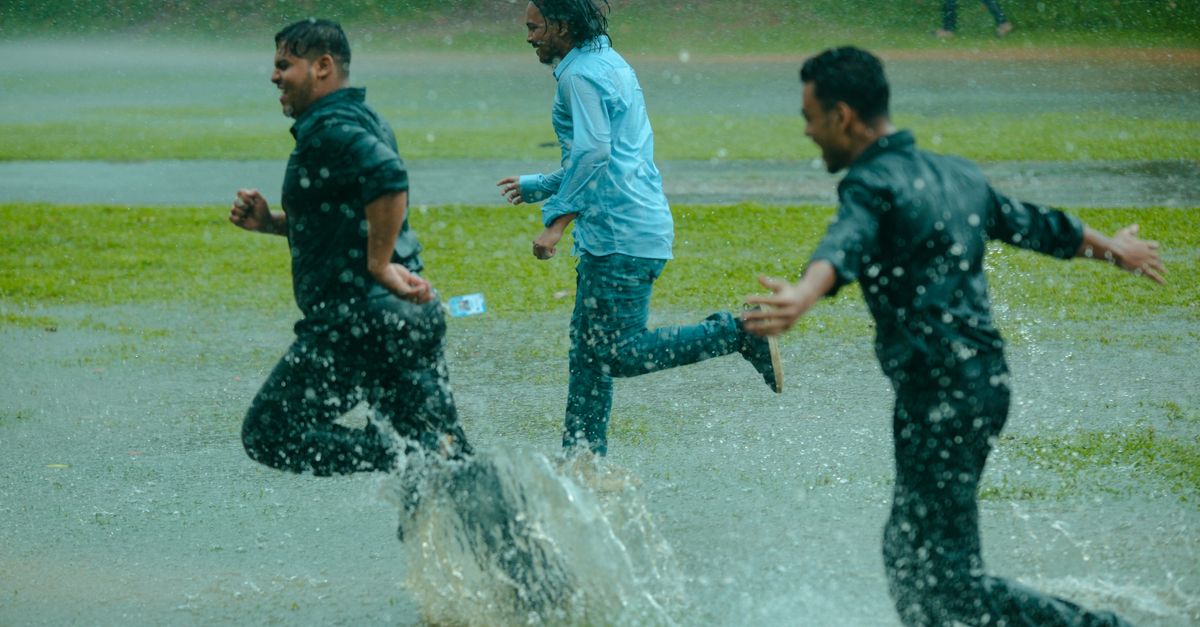
Monsoon in Gujarat brings much-needed relief after the long summer months, but it also brings a rise in health challenges. As the rains soak our streets and humidity levels climb, the risk of waterborne and vector-borne diseases increases across Ahmedabad and the wider state. Staying healthy during the rainy season does not require complex medical procedures. Instead, it is about making small, consistent changes in how we handle our water, food, and daily routines. This guide provides practical steps to keep your family safe and healthy while you enjoy the pleasant weather.
Understanding Monsoon health tips for Gujarat
The primary concern during the monsoon is the quality of water and food. Stagnant water, contaminated supplies, and high moisture levels create the perfect environment for bacteria and mosquitoes. In Gujarat, our traditional diet is robust, but it requires mindful adjustments during this time. The most important rule is to prioritize hygiene at home. Simple habits, like drinking only boiled or purified water, can significantly reduce your risk of contracting diseases like typhoid, cholera, and viral infections.
Water safety is non-negotiable
Never underestimate the importance of clean drinking water. Even if you receive a municipal supply, pipes can sometimes leak or get contaminated during heavy downpours. Boiling water for at least ten minutes is the safest method to kill harmful pathogens. If you use a water purifier, make sure the filters are serviced before the heavy rain starts. Keep water storage containers covered and clean them regularly to prevent the growth of algae or mosquito breeding sites.
Eating safe in the rainy season
While we all love a warm snack during the rain, eating street food can be a gamble during the monsoon. It is best to avoid raw salads, cut fruits, and juices sold on the roadside where hygiene standards might be compromised. At home, focus on freshly cooked, hot meals. Incorporate ingredients known for their immunity-boosting properties, such as turmeric, ginger, garlic, and black pepper. These are staples in our kitchens for a reason.
Pro tip: Wash all leafy vegetables thoroughly in warm, salted water. Vegetables like spinach and cauliflower often harbor worms or dirt that are hard to see, and the monsoon makes them more prone to contamination.
Protecting against mosquitoes
Mosquitoes thrive in the monsoon, and they are the primary vectors for dengue and chikungunya. Ahmedabad residents know well that even a tiny puddle can become a breeding ground. Walk around your home and check for any pots, old tires, or buckets where rainwater might collect. Use mosquito nets or good quality repellents, especially for children and the elderly. If you notice any fever, body aches, or skin rashes, consult your local doctor immediately rather than relying on home remedies alone.
Building your immunity naturally
Your body needs extra support to fight off seasonal viruses. A balanced diet should include seasonal produce, but ensure everything is washed or cooked properly. Avoid excessive consumption of oily or heavy foods, as the digestive system tends to be slightly slower during the rainy season. Opt for light, home-cooked lentil soups, warm grain porridges, and herbal teas. Staying hydrated is still vital, even if you do not feel thirsty. Warm water or herbal infusions can be very soothing for the throat and digestive tract.
Routine checkups and awareness
Always stay updated with health advisories issued by the local health departments or the Ahmedabad Municipal Corporation. If there is a spike in any particular illness in your area, take extra precautions. Do not ignore persistent symptoms. If you or a family member experience high fever, severe fatigue, or gastrointestinal distress, seek professional medical advice at a registered clinic or hospital. Early diagnosis is the key to a quick recovery.
Frequently Asked Questions
Why do I get sick more often during the monsoon?
The monsoon increases humidity and creates stagnant water, which helps bacteria, viruses, and mosquitoes spread easily. Contaminated water and food are the most common ways these germs enter your body.
How can I tell if my drinking water is safe?
If the water looks murky or smells different, do not drink it. Always boil water for ten minutes or use a reliable water purifier that is regularly maintained. When in doubt, stick to boiled water.
Are there specific foods I should avoid during the rainy season?
It is best to avoid street-side cut fruits, raw salads, and unpasteurized juices. These are highly susceptible to contamination. Also, try to limit oily and deep-fried snacks, as they can be difficult for your stomach to digest during this time.
By taking these simple steps, you can enjoy the greenery and cool breezes of the monsoon while keeping your family safe. Small actions lead to better health outcomes, so start today by inspecting your home for stagnant water and ensuring your drinking water is clean.
Official sources
Rules, fees and deadlines change. Confirm the current details on the official source before you act.