Why Acid Reflux Happens After Traditional Gujarati Meals
Acid reflux happens when stomach acid flows back up into your food pipe, causing a burning sensation in your chest known as heartburn or acidity. For many residents across Ahmedabad and Gujarat, this discomfort frequently visits after enjoying a hearty meal, rich farsan, or late night dinners. Traditional Gujarati thalis and festive feasts often feature heavy oils, fiery spices, and generous amounts of gram flour and fried ingredients. When you eat large portions quickly, your stomach produces extra acid to digest the heavy load. If you lie down immediately afterward or sit for long hours at a desk job without moving, gravity fails to keep stomach acids where they belong. Another major trigger is skipping meals during a busy workday and then overeating during the evening family gathering. This irregular eating pattern confuses your digestive system and weakens the lower esophageal sphincter, which is the muscle valve meant to keep food and acid down. Understanding these root triggers is the first step toward finding permanent relief, allowing you to enjoy your favorite local foods without reaching for an antacid tablet every single day.
Beyond food choices, lifestyle factors unique to our fast-paced urban routines play a massive role in triggering frequent heartburn. Most of them have nothing to do with what is on your plate.
- Stress and poor sleep. Daily commuting traffic, long working hours and inadequate sleep directly impact gut health. Stress increases stomach acid production and slows digestion, leaving you bloated and uncomfortable.
- Tea or coffee on an empty stomach. Drinking either in excess through the day irritates the stomach lining.
- Tight belts and trousers. These put physical pressure on the stomach and abdomen, pushing acid upward.
Recognising these hidden triggers lets you make small adjustments to your routine without sacrificing your cultural lifestyle or favourite family recipes.
How to Stop Acid Reflux Fast When Heartburn Strikes
When acid reflux flares up mid-workday or late at night, you need relief that does not depend on medicines. Work through these in order.
- Stand or sit upright with your shoulders back. Slouching or lying down instantly worsens the backflow of acid into your food pipe.
- Take slow, deep breaths to calm your nervous system and relax the abdominal muscles.
- Drink a full glass of cool, plain water. This washes lingering acid from the food pipe and dilutes the acid concentration.
- Chew fresh ginger or sip warm ginger tea without milk. Ginger is naturally anti-inflammatory and soothes the digestive tract.
- Or chew basil leaves or roasted saunf (fennel seeds), which aid digestion and cool internal body heat.
- Walk gently for ten minutes if symptoms persist, to encourage downward digestion before sitting again.
Avoid aerated cold drinks and chilled sugary sodas. The carbonation and artificial sweeteners trap gas and intensify the burning.
What are the best natural remedies for long-term relief?
Lasting relief comes from consistent daily habits rather than quick fixes. These four fit around a normal Gujarati eating routine.
- First thing in the morning: replace that empty-stomach cup of strong milk tea with lukewarm water and a few drops of fresh lemon juice, or a pinch of organic turmeric. Turmeric protects the stomach lining.
- With lunch: add buttermilk seasoned with roasted cumin powder and black salt. It cools the stomach and provides probiotics that support a balanced gut.
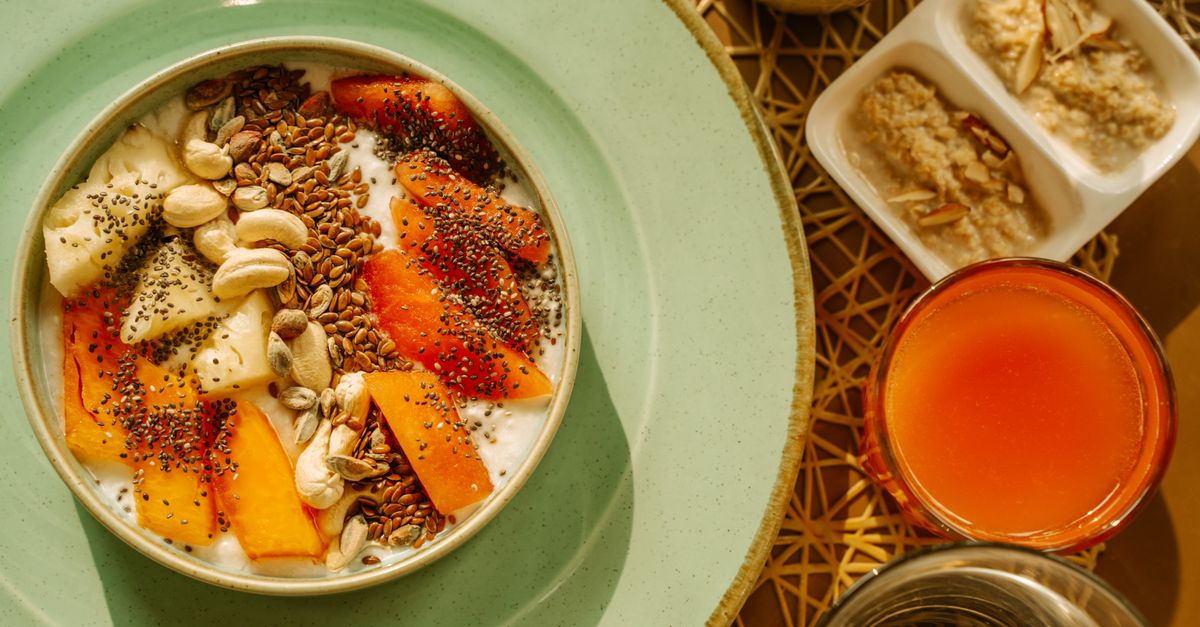
- After lunch: a small bowl of fresh papaya or a ripe banana. Papaya contains papain, an enzyme that breaks down proteins and eases digestion.
- At night: finish dinner at least two to three hours before bed. Late heavy meals are the single greatest contributor to night-time reflux and broken sleep.
How to Tell Which Stage of Acid Reflux You Are Experiencing
Acid reflux ranges from mild occasional heartburn to chronic gastroesophageal reflux disease. Knowing which stage you are at decides how aggressively you need to manage it, and stops you relying on home fixes when your body needs a doctor.
| Stage | How often | What it feels like | What it needs |
|---|---|---|---|
| Occasional | Once or twice a month | Mild burning behind the breastbone, usually after oily wedding dinners or heavy festival snacks | Responds well to lifestyle tweaks, smaller portions and home remedies |
| Frequent | Two or more times a week | Waking at night with a sour taste, or a persistent lump in the throat | Active daily management and a structured dietary plan, to prevent long-term damage to the food pipe |
| Severe | Interferes with work, sleep and eating | Chronic chest pain, difficulty swallowing, persistent dry cough, hoarseness in the early morning | Proper medical evaluation and prescription care |
When to Stop Trying Home Remedies and See a Doctor
While natural remedies and lifestyle adjustments work wonders for everyday mild acidity, there are distinct warning signs that mean you must stop self-treating and consult a qualified gastroenterologist immediately. Never ignore severe, crushing chest pain that radiates to your jaw, neck, or left arm, as this can easily mimic a cardiac emergency and requires immediate medical attention at a hospital emergency room. If you experience difficulty or pain while swallowing food, persistent vomiting, unexplained rapid weight loss, or black tarry stools, these are red flags indicating potential bleeding or structural damage in your digestive tract. You should also visit a healthcare professional if your heartburn symptoms do not improve at all after two weeks of strict dietary changes and over-the-counter antacid usage. For professional medical advice and to rule out serious underlying conditions, consult a certified specialist or visit the outpatient department of a trusted local hospital. You can also review health guidelines provided by the Ministry of Health and Family Welfare on their official website at https://www.mohfw.gov.in for broader wellness standards. Never let persistent digestive pain linger for months without a proper medical diagnosis.
How to Prevent Acid Reflux from Coming Back
Keeping reflux away for good means building habits that support digestion every day. Order does not matter here, but consistency does.
- Eat smaller, more frequent meals rather than three heavy ones that overwhelm your stomach.
- Chew slowly and thoroughly. Digestion begins in the mouth, with enzymes in your saliva.
- Keep a food diary for two weeks to find your own triggers, whether that is excessive tomatoes, citrus fruits, spicy green chillies, raw onions or heavy dairy, then reduce those gradually.
- Maintain a healthy weight through brisk walking, yoga or swimming. Excess belly fat puts constant pressure on the stomach.
- Raise the head of the bed by six inches on sturdy wooden blocks under the mattress legs if night-time reflux is a problem. Stacking pillows only bends your neck awkwardly.
- Sip water through the day rather than gulping large quantities during meals, which dilutes digestive juices.
What people in Ahmedabad ask about acidity
How long should I try home remedies before seeing a doctor?
Give strict dietary changes and over-the-counter antacids a fair trial of two weeks. If your heartburn has not improved at all in that time, stop self-treating and see a healthcare professional.
How long before bed should I finish dinner?
Finish dinner at least two to three hours before you lie down. Late night meals are one of the most common reasons reflux strikes overnight, because slouching or lying down straight after eating makes the backflow worse.
Do extra pillows help night-time reflux?
Not really. Stacking pillows bends you at the waist and can make the pressure worse. Raise the head of the bed itself by about six inches using sturdy wooden blocks under the mattress legs, so your whole upper body is on a slope.
Is occasional heartburn the same as GERD?
No. A mild burning behind the breastbone once or twice a month, usually after an oily wedding dinner or heavy festival snacks, is ordinary diet-induced reflux. Frequent, persistent symptoms are what point towards gastroesophageal reflux disease, which needs a doctor rather than a diet tweak.
Official sources
Rules, fees and deadlines change. Confirm the current details on the official source before you act.