Chronic inflammation plays a subtle yet significant role in many common health problems, from persistent fatigue and joint discomfort to long-term cardiovascular risks. Adjusting your daily food choices offers a proven, natural way to lower inflammatory markers and protect your overall well-being. This practical guide walks you through how an anti-inflammatory eating plan works and how you can implement it smoothly in your daily life.
To start an anti-inflammatory diet, focus on eating nutrient-dense whole foods like leafy greens, dark berries, fatty fish, nuts, seeds, and extra virgin olive oil. Reduce your intake of ultra-processed foods, refined sugars, and trans fats, while cooking with natural anti-inflammatory spices like turmeric and ginger.
Quick summary
- Prioritize whole, minimally processed ingredients over factory-made snacks and fast foods.
- Incorporate omega-3 fatty acids regularly from wild-caught fish, chia seeds, or flaxseeds.
- Replace refined cooking oils with cold-pressed extra virgin olive oil and avocado oil.
- Add antioxidant-rich fruits, vegetables, and herbs to every daily meal.
- Limit sugary drinks, white flour products, and excessive alcohol intake.
Understanding Systemic Chronic Inflammation
Inflammation is not inherently bad. In acute situations, such as when you cut your finger or twist an ankle, your immune system dispatches white blood cells to protect the area and initiate healing. This short-term response is essential for survival. Problems arise when your body triggers an inflammatory response without an immediate injury or infection. When your immune system remains stuck in high gear, it causes low-grade chronic systemic inflammation that can quietly damage healthy tissues, blood vessels, and organs over several years.
Dietary habits play a major influence on chronic inflammation levels. Modern diets heavy in refined carbohydrates, artificial additives, ultra-processed ingredients, and industrial seed oils keep your metabolic and immune systems constantly stressed. According to research highlighted by Harvard Health Publishing, chronic inflammation is linked to conditions such as type 2 diabetes, metabolic syndrome, fatty liver disease, and heart conditions. Fortunately, eating foods rich in polyphenols, omega-3 fatty acids, fiber, and essential minerals helps calm immune hyper-reactivity and promotes tissue repair.
What foods reduce inflammation in the body fast?
An effective anti-inflammatory diet does not rely on strict deprivation or complicated tracking. Instead, it focuses on adding vibrant, dense whole foods that supply powerful natural compounds. Here are the core food categories to emphasize on your plate:
1. Leafy Green and Dark Vegetables
Vegetables such as spinach, kale, Swiss chard, broccoli, Brussels sprouts, and cabbage contain dense concentrations of vitamins A, C, and K, as well as minerals and polyphenols. These compounds help neutralize free radicals that cause oxidative damage in cellular structures. Aim for at least two generous handfuls of dark green or colorful vegetables every day.
2. Wild and Fatty Fish
Fatty fish including salmon, mackerel, sardines, herring, and trout are exceptional sources of eicosapentaenoic acid (EPA) and docosahexaenoic acid (DHA). These essential omega-3 fatty acids actively counter inflammatory molecules called eicosanoids and cytokines in the bloodstream. If you follow a plant-based diet, algae supplements, chia seeds, hemp seeds, and ground flaxseeds offer alternative plant-based omega-3 options.
3. Colorful Berries and Cherries
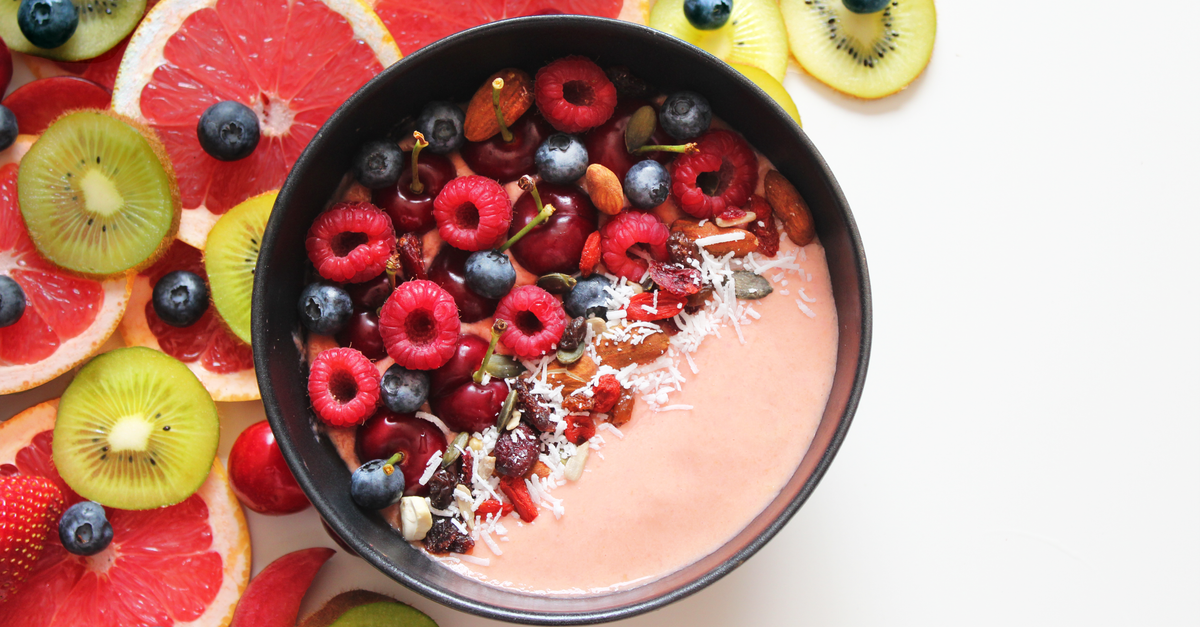
Blueberries, raspberries, blackberries, strawberries, and tart cherries derive their rich pigments from anthocyanins. These natural phytochemicals possess potent antioxidant activity that supports cardiovascular health and reduces muscle soreness after physical exertion. Eating a small bowl of fresh or frozen berries daily is a simple way to satisfy sweet cravings while protecting your cells.
4. Healthy Monounsaturated and Polyunsaturated Fats
Extra virgin olive oil serves as the foundation of the traditional Mediterranean diet, which is widely recognized as one of the most effective anti-inflammatory eating patterns worldwide. High-quality extra virgin olive oil contains oleocanthal, a natural compound with mechanisms similar to non-steroidal anti-inflammatory agents. Avocados, raw walnuts, almonds, and pumpkin seeds provide additional monounsaturated fats, vitamin E, and magnesium.
5. Culinary Spices and Culinary Herbs
Certain culinary herbs contain remarkable bio-active compounds. Turmeric contains curcumin, a compound studied extensively for its ability to block key inflammatory pathways. Combining turmeric with a small pinch of black pepper enhances curcumin absorption significantly. Fresh ginger, garlic, rosemary, thyme, and cinnamon also add rich flavor while supplying protective antioxidant compounds.
Foods That Trigger Inflammation and How to Replace Them
Lowering your intake of pro-inflammatory foods is just as vital as eating beneficial items. You do not need to eliminate every treat forever, but reducing your exposure to common triggers creates room for your body to recover.
Refined sugars and high-fructose corn syrup rank high among inflammatory triggers. They provoke rapid spikes in blood glucose, causing your pancreas to release excess insulin, which can trigger immune cell signaling pathways linked to inflammation. Swap sugary sodas, commercial energy drinks, and packaged pastries for sparkling water with lemon, herbal teas, or fresh whole fruits.
Ultra-processed meats like hot dogs, bacon, and processed deli slices often contain nitrites, elevated sodium levels, and advanced glycation end-products formed during high-heat manufacturing. Replace these choices with fresh poultry, grass-fed meats, eggs, wild seafood, or plant proteins like lentils and chickpeas.
Refined seed oils subjected to extreme heat processing during manufacturing can easily oxidize, contributing to oxidative stress when consumed frequently. Swap heavily refined soybean oil, corn oil, and generic vegetable oils for cold-pressed extra virgin olive oil for cold uses, and avocado oil or coconut oil for medium-to-high heat cooking.
Step-by-Step Guide to Starting an Anti-Inflammatory Diet
Transitioning your diet works best when done progressively over several weeks. Follow these numbered steps to build sustainable daily habits without feeling overwhelmed:
- Clear your kitchen pantry: Remove packaged snacks, sugary cereals, soda, and items containing hydrogenated oils or long lists of chemical additives. Keeping these out of immediate reach makes healthy choices effortless.
- Structure your daily meals around whole foods: Build each plate around one source of clean protein, two servings of non-starchy colorful vegetables, and one serving of unrefined fat like olive oil or avocado.
- Upgrade your cooking fats and oils: Replace all processed cooking oils with cold-pressed extra virgin olive oil, avocado oil, or butter from pasture-raised livestock. Use olive oil generously over raw salads and cooked dishes.
- Season every meal with potent spices: Add fresh ginger to morning smoothies, sprinkle turmeric and black pepper over roasted vegetables, and use garlic generously in soups and stews.
- Maintain consistent hydration and gut health: Drink plenty of clean water throughout the day. Support your gut microbiome by adding fermented foods like plain yogurt, kefir, sauerkraut, or kimchi to your daily meals.
Anti-Inflammatory Food Swaps Comparison
Making small daily choices makes a profound difference over time. Use this simple comparison table to make smarter decisions at the grocery store and in your kitchen:
| Food Category | Pro-Inflammatory Option | Anti-Inflammatory Alternative | Key Health Benefit |
|---|---|---|---|
| Cooking Fats | Refined vegetable or soybean oil | Cold-pressed extra virgin olive oil | Provides oleocanthal and heart-healthy polyphenols |
| Snack Foods | Flavored potato chips or crackers | Raw walnuts or pumpkin seeds | Delivers omega-3 fats, magnesium, and dietary fiber |
| Beverages | Sugary sodas or sweetened iced tea | Green tea or hibiscus tea | Rich in EGCG antioxidants and zero added sugars |
| Breakfast Choice | Sugary cereal with skim milk | Steel-cut oats with blueberries and chia seeds | Provides soluble beta-glucan fiber and steady energy |
| Protein Source | Processed sausage or hot dogs | Baked wild salmon or lentil stew | High in anti-inflammatory EPA/DHA or plant fiber |
Daily Anti-Inflammatory Habit Checklist
Use this daily checklist to keep track of your core nutritional goals and ensure balanced nutrition throughout your week:
- Include at least three different colors of fruits and vegetables on your daily menu.
- Drink at least eight glasses of clean water or unsweetened herbal tea throughout the day.
- Eat one serving of healthy fats, such as a hand of walnuts or half an avocado, with lunch or dinner.
- Incorporate anti-inflammatory herbs like garlic, ginger, or turmeric into at least one cooked meal.
- Avoid all sugar-sweetened beverages, commercial energy drinks, and processed fruit juices.
- Spend 30 minutes engaging in moderate daily movement like walking to help clear cellular waste.
How long does it take for an anti-inflammatory diet to work?
Many individuals notice subtle positive changes within two to three weeks of adopting an anti-inflammatory diet. Early improvements often include reduced digestive bloating, smoother energy levels throughout the afternoon, and clearer skin. These initial gains occur as blood glucose levels stabilize and gastrointestinal irritation subsides.
Measurable biological changes, such as reduced C-reactive protein (CRP) levels in blood tests, usually take between eight and twelve weeks of consistent eating. Tissue healing, joint pain reduction, and systemic inflammation recovery require time and consistency. Lifestyle factors such as getting seven to eight hours of quality sleep each night and managing mental stress also influence how fast your body responds.
Consistency matters far more than short-term perfection. Enjoying a treat occasionally will not destroy your progress if your daily foundation consists of real, nutrient-dense whole foods.
Frequently Asked Questions
Can I follow an anti-inflammatory diet if I am vegetarian or vegan?
Yes, an anti-inflammatory diet is very easy to adapt to a plant-based lifestyle. You can replace seafood sources of omega-3s with chia seeds, ground flaxseeds, hemp seeds, walnuts, and algae-based supplements. Focus on legumes like lentils, chickpeas, and black beans for clean protein and beneficial prebiotic fiber.
Is coffee allowed on an anti-inflammatory diet?
Yes, quality coffee contains valuable antioxidants such as chlorogenic acid, which can actually support anti-inflammatory processes in the body. However, drink your coffee plain or with a splash of unsweetened plant milk. Avoid adding refined sugar, artificial syrups, or heavy sweet creamers that trigger blood sugar spikes.
Do I need to take anti-inflammatory supplements like curcumin or fish oil?
While concentrated supplements like high-potency fish oil or standardized curcumin extracts can offer extra support, whole foods should always form your baseline foundation. Eating real foods gives you complex food matrices, vitamins, fiber, and trace minerals working together synergistically. Consult a licensed healthcare professional before starting high-dose supplements.
Can an anti-inflammatory diet help with weight loss?
Yes, focusing on whole, fiber-rich, and protein-dense foods naturally promotes satiety and balances blood sugar levels. When you reduce refined carbohydrates and ultra-processed foods, daily caloric intake often decreases without restrictive counting, leading to gradual and sustainable weight management.
Official sources
Rules, fees and deadlines change. Confirm the current details on the official source before you act.