Many people in Ahmedabad and across Gujarat are told after a routine sonography or health check-up that they have a "fatty liver." It often comes as a surprise, especially for those who do not drink alcohol. Yet non-alcoholic fatty liver disease (NAFLD) has become increasingly common, driven by our love for oil-rich food, sweets, sedentary desk jobs, and rising rates of diabetes and obesity. The good news is that early fatty liver is one of the most reversible conditions there is — mostly through diet and lifestyle changes you can start today.
This guide explains what fatty liver really means, why Gujaratis are especially prone to it, and exactly how to adjust your everyday meals to protect and heal your liver.
What Is Fatty Liver?
Your liver naturally contains a small amount of fat. When fat builds up to more than roughly 5–10% of the liver's weight, it is called fatty liver. When this happens in people who drink little or no alcohol, it is called non-alcoholic fatty liver disease (NAFLD).
Fatty liver is usually graded by ultrasound:
- Grade 1 (mild): Small fat deposits; often no symptoms. Highly reversible.
- Grade 2 (moderate): More noticeable fat accumulation.
- Grade 3 (severe): Significant fat; higher risk of inflammation and long-term damage.
If left unaddressed, fatty liver can progress to inflammation (steatohepatitis), scarring (fibrosis), and eventually cirrhosis. But most people are caught at Grade 1 or 2, when simple changes can make a big difference.
Why Are Gujaratis Especially at Risk?
Several factors common in our region increase the risk of fatty liver:
- Oil-heavy cooking: Frequent frying, generous ghee, and rich gravies add excess fat and calories.
- Sugar and sweets: A strong sweet tooth — from jalebi-fafda to shrikhand and daily sugar in chaas or tea — floods the liver with fructose and refined carbs, which are converted to liver fat.
- Refined carbs: White rice, maida-based snacks, and khakhra or theplas eaten in large quantities spike blood sugar.
- High diabetes rates: Gujarat has a large population living with diabetes and insulin resistance, both closely linked to fatty liver.
- Sedentary lifestyles: Long hours sitting at work and less physical activity slow fat metabolism.
Important: You do not have to be overweight to have fatty liver. Many thin people in Gujarat have "lean NAFLD," often because of a diet high in sugar and refined carbs despite a normal body weight.
Warning Signs to Watch For
Fatty liver is often silent, which is why it is frequently found by accident. However, some people notice:
- Fatigue and low energy
- A dull ache or heaviness in the upper right side of the abdomen
- Unexplained weight gain around the belly
- Slightly raised liver enzymes (SGPT/ALT, SGOT/AST) on a blood test
If you have diabetes, high cholesterol, high blood pressure, or a large waistline, it is worth asking your doctor whether you should be checked. Always confirm diagnosis and severity with a qualified doctor rather than self-diagnosing.
The Core Diet Principles for a Healthy Liver
There is no expensive miracle food. Reversing fatty liver comes down to reducing the fat and sugar overload and eating more whole, fibre-rich foods. Focus on these principles:
1. Cut down added sugar and sweets
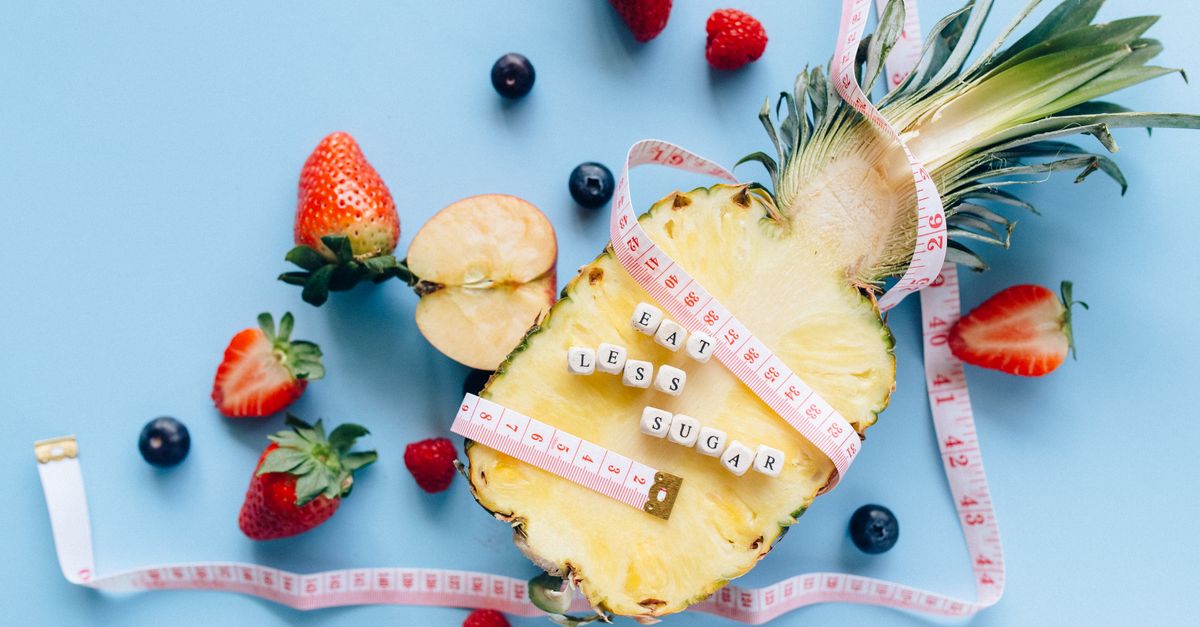
This is the single most powerful change. Reduce sugar in tea, chaas, and coffee, and treat sweets as occasional rather than daily. Watch hidden sugar in packaged juices, cold drinks, bakery items, and flavoured yogurts.
2. Reduce refined carbs, choose whole grains
Swap large portions of white rice and maida for bajra, jowar, whole-wheat, and nachni (ragi) rotlas and khichdi made with millets. These release energy slowly and reduce fat build-up.
3. Control cooking oil and ghee
You do not need to eliminate oil, but measure it. Aim for moderate use across the day. Prefer techniques like steaming, boiling, roasting, and light sautéing over deep frying. Rotate healthy oils such as mustard, groundnut, or rice bran oil.
4. Eat more vegetables and fibre
Fill half your plate with vegetables and salads. Fibre from bhaji, dudhi, tindora, karela, palak, methi, and beans slows sugar absorption and supports fat clearance.
5. Include quality protein
Protein keeps you full and supports metabolism. Good vegetarian options include dal, chana, rajma, moong, tofu, paneer (in moderation), and low-fat milk or curd. Non-vegetarians can add eggs and fish.
6. Stay well hydrated
Plain water, buttermilk (without sugar), and green tea are far better than sweetened drinks. Given Ahmedabad's heat, aim for steady hydration throughout the day.
A Sample Liver-Friendly Gujarati Day
Here is an example of how to eat well without giving up familiar food. Adjust portions to your needs and any advice from your doctor or dietitian.
- Early morning: Warm water; a few soaked almonds or walnuts.
- Breakfast: Vegetable poha with less oil and lots of veggies, OR moong dal chilla, OR oats upma. Add a bowl of curd or a boiled egg.
- Mid-morning: A fruit like guava, apple, or papaya (whole, not juiced).
- Lunch: Two bajra or jowar rotla, a big bowl of green sabzi, dal or chana, salad, and a small portion of rice if desired. Unsweetened chaas.
- Evening: Roasted chana, sprouts chaat, or khakhra with green tea. Avoid deep-fried nashta.
- Dinner: Light and early — vegetable khichdi with millets, or roti with sabzi and dal. Keep dinner before 8–8:30 pm where possible.
Foods to limit
- Fried items: gathiya, fafda, samosa, kachori, puri
- Sweets and bakery products, especially daily consumption
- Cold drinks, packaged juices, and energy drinks
- White bread, maida noodles, and heavily processed snacks
- Excess ghee, cream, and rich restaurant gravies
Lifestyle Changes That Speed Up Recovery
Diet works best alongside a few key habits:
Move every day
Aim for at least 30–45 minutes of activity most days — brisk walking on the Riverfront, cycling, yoga, or home workouts all count. Even breaking up long sitting hours with short walks helps your liver clear fat.
Lose weight gradually
If you are overweight, losing even 5–10% of your body weight can significantly reduce liver fat. Go slow and steady; crash diets can actually worsen liver stress.
Manage blood sugar and cholesterol
Since diabetes and high lipids feed fatty liver, keeping them under control with medical guidance directly benefits your liver.
Avoid alcohol and unnecessary supplements
Alcohol adds a second burden on the liver. Also avoid random "liver detox" tonics and unverified herbal products — some can harm the liver. There is no substitute for real dietary change.
Sleep well
Poor sleep worsens insulin resistance. Aim for 7–8 hours of good-quality sleep.
Tip: Forget the idea of a quick "detox." Your liver detoxes itself when you stop overloading it. Consistency over a few months matters far more than any single juice or powder.
When to See a Doctor
You should consult a doctor if you have been diagnosed with fatty liver and also have diabetes, obesity, or abnormal liver enzymes, or if you experience persistent abdominal pain, jaundice (yellow eyes/skin), or severe fatigue. A physician or gastroenterologist may recommend blood tests, a repeat ultrasound, or a special scan (FibroScan) to check for liver stiffness.
For personalised meal planning, a registered dietitian can tailor a Gujarati diet to your calorie needs, medical conditions, and preferences. Government hospitals such as the Civil Hospital in Ahmedabad, along with private clinics, offer diet counselling and liver care — verify current services and appointment procedures directly with the facility.
The Bottom Line
Fatty liver is a warning sign, not a life sentence. For most people in Gujarat caught at an early stage, it can be reversed by cutting back on sugar, sweets, refined carbs, and excess oil, while eating more millets, vegetables, and protein — and moving the body every day. You do not have to abandon Gujarati food; you simply need to rebalance it toward the wholesome, home-cooked meals our grandparents once ate.
Start with one or two changes this week, stay consistent, and re-check with your doctor after a few months. Your liver is remarkably good at healing when you give it the chance.
This article is for general information only and is not a substitute for professional medical advice. Always consult a qualified doctor or dietitian for diagnosis and personalised guidance.
Frequently Asked Questions
What is fatty liver and how is it graded?
When fat builds up to more than roughly 5–10% of the liver's weight, it is called fatty liver. It is usually graded by ultrasound into Grade 1 mild, Grade 2 moderate, and Grade 3 severe.
Why are Gujaratis at high risk for fatty liver?
Factors in our region include oil-heavy cooking, a strong sweet tooth, consumption of refined carbs, high rates of diabetes and insulin resistance, and sedentary lifestyles.
Can you have fatty liver even if you are thin?
Yes. Many thin people in Gujarat have lean NAFLD, often because of a diet high in sugar and refined carbs despite having a normal body weight.
How can you reverse early-stage fatty liver?
Early fatty liver can be reversed by reducing added sugar, sweets, refined carbs, and excess oil, while eating more millets, vegetables, and protein, and staying physically active.
Official sources
Rules, fees and deadlines change. Confirm the current details on the official source before you act.