Managing blood pressure is one of the most powerful steps you can take to protect your long term heart health and prevent serious complications like stroke or heart disease. While medications are often necessary for many people, lifestyle modifications play a foundational role in controlling hypertension. Adopting sustainable daily habits can significantly improve your cardiovascular health without requiring extreme disruptions to your routine.
To lower blood pressure naturally, you need to focus on reducing sodium intake, increasing potassium rich foods, engaging in regular aerobic exercise, managing chronic stress, and maintaining a healthy body weight. These evidence based steps work synergistically to relax your blood vessels and improve overall circulation.
Quick summary
- Reduce daily sodium consumption by cutting back on processed and packaged foods.
- Increase potassium intake through fresh vegetables, fruits, legumes, and dairy.
- Engage in at least 150 minutes of moderate aerobic exercise like brisk walking every week.
- Limit alcohol consumption and avoid smoking completely to protect blood vessel walls.
- Manage stress effectively through mindfulness, adequate sleep, and relaxation techniques.
How to Lower Blood Pressure Naturally
- Audit your daily diet to identify hidden sources of sodium, such as canned soups, sauces, and restaurant meals.
- Incorporate potassium rich foods into every meal, including bananas, spinach, sweet potatoes, and lentils.
- Establish a consistent exercise routine, starting with short daily walks and gradually increasing your pace and duration.
- Monitor your blood pressure regularly at home using a validated upper arm monitor to track your progress and share data with your healthcare provider.
- Prioritize quality sleep by maintaining a regular schedule and creating a restful bedroom environment.
What foods help reduce hypertension?
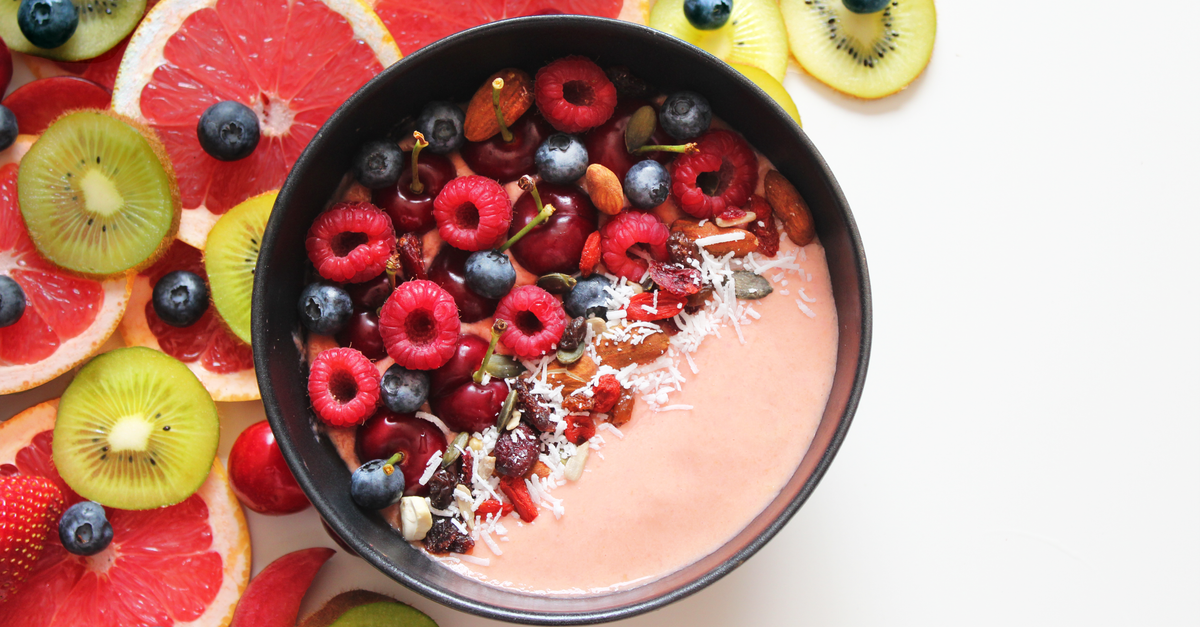
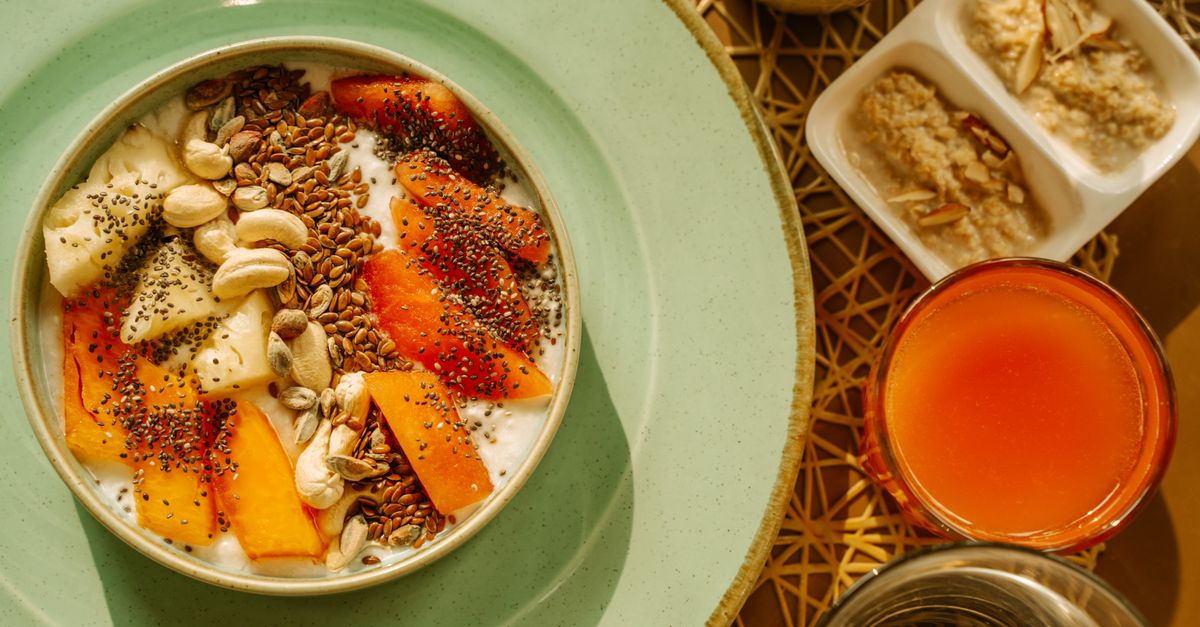
Dietary patterns like the Dietary Approaches to Stop Hypertension eating plan emphasize whole foods that naturally support healthy blood pressure. Leafy green vegetables, berries, fatty fish rich in omega-3 fatty acids, and unsalted nuts provide essential nutrients that promote arterial elasticity. Garlic and fermented foods can also offer mild supportive benefits when integrated into a balanced meal plan.
How much exercise is needed for blood pressure control?
Physical activity strengthens your heart so it can pump blood with less effort, which decreases the force on your arteries. Aim for 30 minutes of moderate intensity activity most days of the week. Activities like swimming, cycling, dancing, or even vigorous gardening all contribute toward reaching your weekly physical activity goals.
Frequently Asked Questions
Can drinking water help lower blood pressure?
Staying adequately hydrated helps your body maintain proper blood volume and prevents dehydration, which can sometimes cause blood vessels to constrict and raise pressure.
How quickly can lifestyle changes lower blood pressure?
Some people notice improvements in their blood pressure readings within a few weeks of adopting a healthier diet and starting regular exercise, though long term consistency is essential.
Is salt the only dietary factor that affects blood pressure?
While sodium is a major factor, getting enough potassium is equally important because it helps your body get rid of excess sodium and eases tension in blood vessel walls.
Can stress cause temporary spikes in blood pressure?
Acute stress triggers a surge of hormones that temporarily increase your heart rate and constrict blood vessels, leading to temporary blood pressure spikes.
Official sources
Rules, fees and deadlines change. Confirm the current details on the official source before you act.