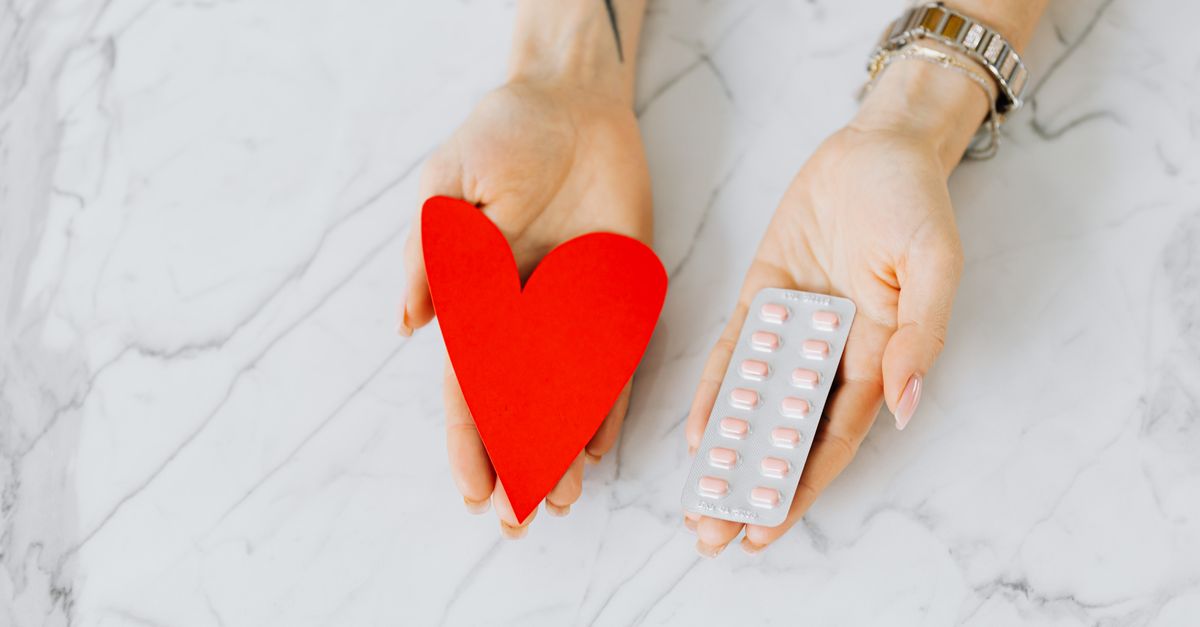
Vitamin B12 deficiency is an invisible health crisis affecting millions of households across Ahmedabad and the wider state of Gujarat. Many people dismiss their daily fatigue, brain fog, and numbness in the hands or feet as normal stress or aging, but a simple blood test often reveals dangerously low B12 levels. Because traditional Gujarati cuisine relies almost entirely on plant-based foods, understanding how to address this shortfall is essential for long-term nerve, blood, and mental health.
To fix Vitamin B12 deficiency in Gujarat, vegetarians must rely on verified oral supplements, sublingual tablets, or intramuscular injections under medical supervision. Plant-based diets and fermented foods do not provide active B12. Doctors generally recommend high-dose methylcobalamin tablets or a short course of injections to refill liver stores, followed by a regular maintenance supplement.
Why is Vitamin B12 deficiency so common in Gujarat?
The primary reason Vitamin B12 deficiency is exceptionally common across Gujarat is our predominantly vegetarian diet. Vitamin B12, known scientifically as cobalamin, is naturally synthesized by soil bacteria and accumulates in animal tissues through the food chain. Plants do not produce or require Vitamin B12 for their growth. While milk, curd, and paneer contain small amounts, the quantities present in everyday servings fall far short of the body's daily therapeutic requirements, especially once stores are depleted.
Another major contributor in urban centers like Ahmedabad, Surat, and Vadodara is the widespread use of purified water and packaged foods. In past generations, people ingested microscopic amounts of soil microbes through unpeeled produce, well water, and natural farming methods. Modern municipal water treatment and reverse osmosis purification systems filter out these microorganisms completely. While clean water protects us from typhoid and cholera, it also eliminates that accidental environmental source of cobalamin.
Gut absorption issues play an equally significant role. Vitamin B12 requires a specialized protein called intrinsic factor, produced in the stomach lining, to be absorbed in the terminal ileum of the small intestine. Long-term use of antacids like omeprazole and pantoprazole, widely consumed across Gujarat due to high-spice and fried snack diets, severely lowers stomach acid. Without adequate stomach acid, your body cannot liberate B12 from proteins, leading to deficiency even in people who consume substantial dairy.
Diabetes medications, particularly metformin, also interfere with B12 absorption at the cellular level. Given Gujarat's high prevalence of type 2 diabetes, tens of thousands of patients taking daily metformin prescriptions gradually develop deficiency without ever realizing their medication is the root cause. Routine checkups at local clinics rarely include a serum B12 screening unless the patient explicitly requests it or displays severe neurological complications.
What are the warning signs of low Vitamin B12 you should not ignore?
The human body stores several years of Vitamin B12 reserve in the liver, which means a deficiency creeps in very slowly over three to five years. Because the decline is gradual, most individuals adapt to their declining baseline energy and dismiss early symptoms as general weakness, office fatigue, or lack of sleep. Recognizing the signs early prevents permanent damage to the peripheral nervous system.
Neurological symptoms are usually the most alarming indicator. When B12 levels fall below the healthy threshold, the myelin sheath that insulates and protects nerve fibers begins to deteriorate. You may notice subtle physical sensations that worsen over several months:
- Pins and needles sensations, numbness, or a burning feeling in the soles of your feet and palms.
- Frequent unsteadiness while walking in the dark or sudden loss of balance on stairs.
- Unexplained mental fatigue, forgetfulness, brain fog, and difficulty concentrating on complex work.
- Sudden mood shifts, irritability, and depressive episodes that do not respond to ordinary stress relief.
- A smooth, tender, red, or burning tongue, medically termed glossitis, alongside recurring mouth ulcers.
Hematological symptoms are another classic presentation. Vitamin B12 works directly alongside folic acid to produce healthy red blood cells. Without it, the body manufactures abnormally large, fragile red blood cells that cannot carry oxygen efficiently, resulting in megaloblastic anemia. This manifests as shortness of breath after climbing a single flight of stairs, rapid heart palpitations, pale or slightly yellow skin, and chronic muscle weakness that sleep cannot resolve.
Local pathology labs in Ahmedabad often list the normal reference range for serum Vitamin B12 as 200 to 900 picograms per milliliter. What standard reports do not tell you is that a reading between 200 and 350 pg/mL is a symptomatic grey zone. Clinical research supported by global bodies like the WHO fact sheets demonstrates that patients frequently experience active nerve damage even when their numbers appear inside the lower boundary of normal. If your reading sits below 400 pg/mL and you have physical symptoms, proactive medical intervention is necessary.
Can vegetarians in Gujarat get enough Vitamin B12 from food alone?
A widespread belief across Gujarat is that traditional fermented foods like idli, khaman, dhokla, and handvo provide all the Vitamin B12 a vegetarian needs. This belief is scientifically incorrect. While fermentation produces beneficial gut probiotics and small amounts of cobalamin analogues, research confirms these compounds are predominantly inactive pseudovitamin B12. They cannot bind to human cellular receptors and can actually block the absorption of genuine Vitamin B12 in your bloodstream.
Dairy products remain the only authentic natural source of B12 in a traditional vegetarian kitchen. A glass of whole buffalo or cow milk provides roughly 0.6 to 1.0 microgram of B12, while a small bowl of curd offers around 0.4 to 0.6 microgram. However, cooking, repeated boiling of milk, and processing can degrade B12 content by 30 to 50 percent. For an individual who is already deficient, relying on dairy alone to recover would require drinking three to four liters of milk every single day, which is neither healthy nor realistic.
| Food Source | Serving Size | Approximate B12 Content | Absorption Reliability |
|---|---|---|---|
| Fresh Cow Milk | 1 Glass (250 ml) | 0.9 to 1.1 mcg | Moderate (reduced by re-boiling) |
| Homemade Curd | 1 Medium Bowl (150 g) | 0.5 to 0.7 mcg | Moderate to Good |
| Paneer | 100 grams | 0.8 to 1.0 mcg | Moderate |
| Khaman, Dhokla, Handvo | Standard Serving | Negligible / Pseudovitamin | Inactive for human cells |
| Fortified Plant Milks | 1 Glass (200 ml) | 1.2 to 2.5 mcg | High (check label for cyanocobalamin) |
| Methylcobalamin Tablet | 1 Standard Tablet | 1000 to 1500 mcg | High (passive diffusion) |
As the table illustrates, whole foods offer maintenance levels at best, never therapeutic doses. If your blood work confirms a deficiency, no amount of dry fruits, green leafy vegetables, jaggery, or sprouts will fix the issue. Guidance from the National Institute of Nutrition, accessible through nutrition (NIN), emphasizes that pure vegetarians require conscious nutritional planning and fortification to prevent chronic micronutrient deficiencies throughout adult life.
What is the best treatment for Vitamin B12 deficiency: injections or tablets?
Once deficiency is diagnosed, patients in Gujarat are often unsure whether they should take daily pills or undergo a course of painful intramuscular injections at a neighborhood clinic. Both routes have clear medical merits, and the right option depends on the severity of your symptoms and how well your digestive system functions.
Intramuscular injections deliver cobalamin straight into the deltoid or gluteal muscle, bypassing the stomach and intestine completely. This is the gold standard approach if your B12 level is below 150 pg/mL, if you suffer from active nerve numbness, or if you take long-term acid blockers or diabetes medications. Injections refill the depleted liver reserve within two to three weeks, offering rapid relief from extreme fatigue and stopping further nerve destruction.
High-dose oral therapy has emerged as an equally effective alternative for mild to moderate deficiencies. About one to two percent of a very large oral dose enters the bloodstream through passive diffusion across the intestinal wall, completely independent of stomach acid or intrinsic factor. Taking a daily 1500 microgram tablet allows your body to absorb roughly 15 to 30 micrograms, easily overcoming your daily requirement of 2.4 micrograms.
- Consult your family physician to get a baseline serum B12 and complete blood count test done at an accredited laboratory.
- If your levels are critically low or tingling in the limbs is present, complete a loading course of five to ten intramuscular injections over four weeks under clinical supervision.
- If choosing oral medication, take a 1500 microgram sublingual tablet, dissolving it under the tongue for better absorption, once daily for three months.
- Switch to a lower maintenance dose of 500 to 1000 micrograms taken two to three times weekly, or a daily multivitamin containing adequate active cobalamin.
- Repeat your serum B12 test four to six months after finishing the primary treatment course to ensure your levels remain stable.
When purchasing over the counter supplements, pay attention to the chemical form printed on the carton. Methylcobalamin and adenosylcobalamin are bioactive coenzyme forms that the human body can utilize immediately without metabolic conversion. Cyanocobalamin is a synthetic alternative that is inexpensive and shelf-stable, but it requires the liver to strip away a cyanide molecule before the vitamin becomes active. For individuals with sluggish metabolism or heavy smokers, methylcobalamin provides superior tissue retention.
Common doubts Gujarat residents face regarding Vitamin B12
Can excessive Vitamin B12 intake cause toxicity or side effects?
Vitamin B12 is water-soluble, meaning your body naturally filters out any excess through your kidneys and excretes it in your urine. Medical authorities around the world, including the Ministry of Health and Family Welfare at health (MoHFW), have not established a toxic upper intake limit for cobalamin. While high doses may occasionally cause mild skin flushing or minor acne breakouts in sensitive individuals, serious toxicity from oral B12 supplements is practically nonexistent.
Why did my nerve numbness persist even after my lab report became normal?
Blood levels of B12 normalize very rapidly within days or weeks of starting supplements, but repairing the damaged myelin sheath around peripheral nerves requires sustained biological time. Peripheral nerve tissue regenerates at a rate of approximately one millimeter per day. If your nerve endings were starved of cobalamin for several months, feeling full sensation return can easily take between six and twelve months of continuous nutritional support.
Do I have to take B12 supplements for the rest of my life?
If you maintain a lifelong strict vegetarian or vegan lifestyle in Gujarat, the short answer is yes. Once your intensive loading phase replenishes your liver storage, you do not need daily mega-doses, but you must adopt an ongoing maintenance plan. Taking a high-quality maintenance tablet once or twice a week ensures that your stores never drain back into the danger zone.
What should you do next to protect your nerve and blood health?
Addressing a suspected Vitamin B12 deficiency requires deliberate action rather than guesswork. The very first step is to schedule a morning fasting blood draw for both Serum Vitamin B12 and Serum 25-Hydroxy Vitamin D, as these two deficiencies almost always occur together in Gujarat's indoor, vegetarian demographic. Avoid taking multivitamin tablets for at least forty-eight hours before your blood draw, as recent supplementation can artificially inflate serum numbers and mask a tissue-level deficiency.
Once you collect your lab report, do not settle for a reading that barely scrapes past the minimum 200 pg/mL cutoff. Discuss the results with your doctor and aim for an optimal target range between 500 and 800 pg/mL to safeguard cognitive function and physical vitality. If your doctor prescribes injections, complete the entire initial series on schedule without stopping halfway just because your energy returns.
Finally, build a sustainable habit for the long term. Stock your home medicine cabinet with a reliable sublingual methylcobalamin supplement, set a weekly phone reminder to take your maintenance dose, and make whole milk, set curd, and unadulterated dairy regular components of your daily meals. Protecting your nervous system today guarantees you remain active, energetic, and sharp for decades to come.
Official sources
Rules, fees and deadlines change. Confirm the current details on the official source before you act.