Starting a new active ingredient in your routine can feel intimidating, especially when that ingredient has a reputation for causing irritation. Knowing how to use retinol for beginners helps you achieve smoother texture, fewer breakouts, and diminished fine lines while avoiding the common pitfalls of peeling and redness.
To use retinol as a beginner, start with a low concentration between 0.1% and 0.3%, apply a pea-sized amount to completely dry skin once or twice a week at night, follow with a gentle moisturizer, and always wear broad-spectrum sunscreen every single morning.
Quick summary
- Start with low-strength over-the-counter retinol (0.1% to 0.3%) once or twice per week.
- Always apply retinol at night on clean, completely dry skin to minimize deep irritation.
- Use the sandwich method (moisturizer, retinol, moisturizer) if your skin is dry or sensitive.
- Avoid mixing retinol with AHAs, BHAs, and pure vitamin C in the same evening routine.
- Daily broad-spectrum sunscreen with SPF 30 or higher is non-negotiable during the day.
What is retinol and how does it work?
Retinol is a derivative of vitamin A that belongs to a broader family called retinoids. It is one of the most thoroughly researched skincare ingredients in modern dermatology. When applied topically, your skin cells convert retinol into retinoic acid. This active form communicates with skin cells to accelerate cellular turnover, which pushes fresh, healthy cells to the surface faster.
Beyond speeding up cell renewal, retinol stimulates collagen and elastin production in the dermis. This helps firm the skin, reduce the appearance of fine lines, unclog congested pores, and fade stubborn post-breakout dark marks over time. Because it works deep within the skin layers, visible improvements take time and steady consistency.
Why do beginners experience irritation?
The dreaded retinol purge or retinization process occurs when the skin adapts to faster cell turnover. During the first two to six weeks, you might notice light flaking, mild dryness, or small breakouts as underlying microcomedones come to the surface all at once.
Irritation typically happens when people use too much product, apply it too frequently, or combine it with harsh physical scrubs and chemical acids. Understanding your skin barrier tolerance and moving slowly prevents chronic inflammation and barrier damage.
How to choose the right retinol strength?
Different retinoids come in varying strengths, and jumping straight to prescription-strength tretinoin or high-percentage serums usually leads to burning and flaking. The table below outlines standard entry levels for different skin types.
| Skin Type / Goal | Recommended Retinoid Form | Starting Strength | Frequency |
|---|---|---|---|
| Sensitive or Dry Skin | Retinyl palmitate or Granactive Retinoid | 0.1% or 2% Granactive | 1 to 2 nights per week |
| Normal or Combination Skin | Standard encapsulated Retinol | 0.2% to 0.3% | 2 nights per week |
| Oily or Acne-Prone Skin | Retinol or Adapalene (Differin) | 0.1% Adapalene or 0.3% Retinol | 2 to 3 nights per week |
| Experienced Users | Retinaldehyde (Retinal) or Tretinoin | 0.05% Retinal or 0.025% Tretinoin | 3 to 5 nights per week |
Step-by-step: How to apply retinol for beginners
Follow this exact nightly sequence to minimize side effects and build long-term tolerance.
- Wash your face with a gentle, hydrating cleanser: Avoid exfoliating cleansers containing salicylic acid or glycolic acid on retinol nights. Use lukewarm water and pat your face gently with a clean towel.
- Wait 10 to 20 minutes until your skin is completely dry: Applying retinol to damp skin increases absorption speed, which drastically increases the risk of stinging and irritation.
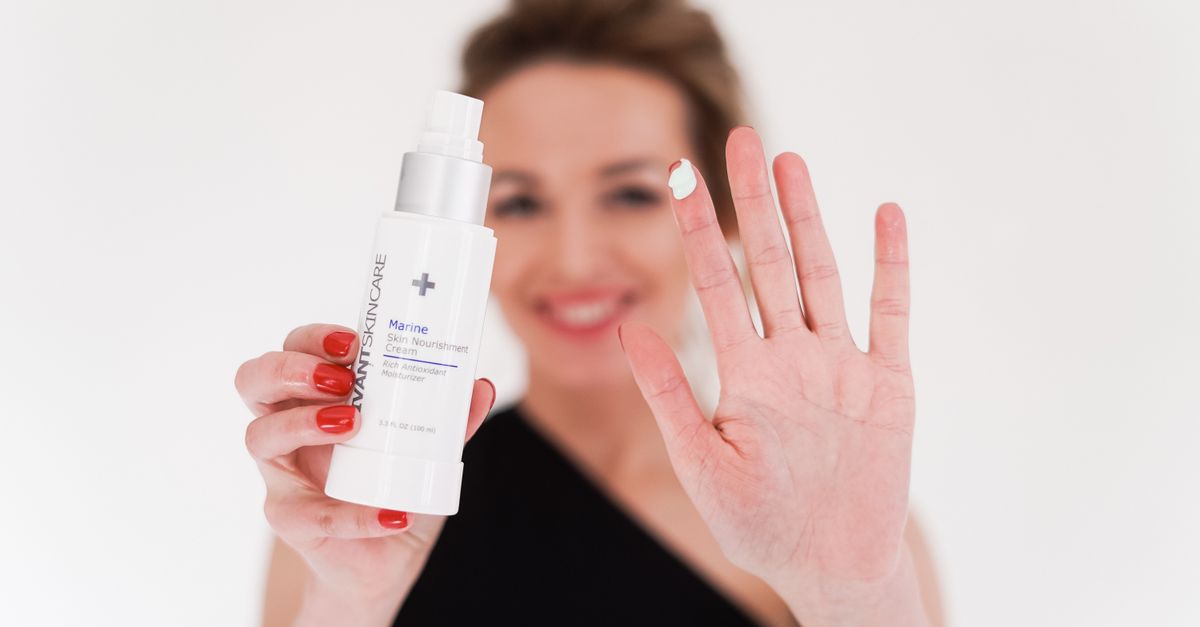
- Dispense a single pea-sized amount: Resist the urge to use more. One small pea-sized drop is sufficient for your entire face. Dot the product onto your forehead, cheeks, chin, and nose.
- Smooth evenly across the face: Spread the product outward, avoiding the delicate skin immediately around your eyes, the corners of your nose, and your lips.
- Apply a barrier-supporting moisturizer: Seal in the treatment with a cream containing ceramides, hyaluronic acid, or squalane to keep hydration intact.
Pro Tip: If you have reactive skin, try the sandwich method. Apply a light layer of moisturizer first, let it absorb for five minutes, apply your pea-sized amount of retinol, and finish with another layer of moisturizer on top.
What ingredients can you mix with retinol?
Building a compatible skincare routine ensures your active ingredients complement each other rather than clash. Some ingredients work in harmony with retinol to buffer irritation, while others should be used at different times.
Safe and beneficial pairings
- Hyaluronic Acid: Draws water into the skin, offsetting the drying effects of increased cell turnover.
- Niacinamide: Calms inflammation, strengthens the lipid barrier, and improves overall tone.
- Ceramides and Peptides: Rebuild the natural moisture barrier and support structural elasticity.
- Centella Asiatica (Cica): Soothes redness and reduces surface irritation.
Ingredients to separate or avoid on the same night
- Alpha Hydroxy Acids (Glycolic, Lactic, Mandelic): Using AHAs alongside retinol strips the surface layer and causes severe barrier damage. Use AHAs on non-retinol evenings.
- Beta Hydroxy Acid (Salicylic Acid): Combining BHA with retinol can lead to excessive dryness and peeling. Keep BHA for morning use or alternate nights.
- L-Ascorbic Acid (Pure Vitamin C): Pure vitamin C performs best in the morning under sunscreen, while retinol should remain in your evening routine.
- Benzoyl Peroxide: Benzoyl peroxide can deactivate traditional retinol formulations and cause extreme flaking when layered together.
Beginner retinol schedule: The 1-2-3 rule
Patience is critical when introducing vitamin A derivatives. Use the 1-2-3 rule over the first six weeks to let your skin build tolerance naturally without triggering widespread peeling.
- Weeks 1 and 2: Apply once per week on a set day (for example, every Sunday evening). Observe how your skin reacts over the following 48 hours.
- Weeks 3 and 4: Increase to twice per week with at least two or three buffer nights in between (such as Tuesday and Friday).
- Weeks 5 and 6: Increase to every other night if your skin shows zero flaking, redness, or burning sensations.
- Beyond Week 6: Maintain an every-other-night schedule, or move to nightly use if your skin is completely comfortable and resilient.
Beginner skincare checklist for retinol success
Keep these baseline essentials ready before applying your first drop of retinol:
- A gentle, non-foaming or low-foaming cleanser free from fragrance and essential oils.
- A rich barrier cream packed with ceramides, cholesterol, and fatty acids.
- A broad-spectrum sunscreen with SPF 30, SPF 50, or higher for daily morning use according to the American Academy of Dermatology guidelines.
- A soothing balm (such as petroleum jelly or cicaplast balm) to protect the corners of the nose and lips.
- A simple hydrating mist or hyaluronic serum for morning hydration.
How to handle side effects and skin barrier damage
If you wake up with tight, red, stinging skin, your moisture barrier needs immediate rest. Stop all active treatments, including retinol, vitamin C, and exfoliating washes.
For three to five days, focus exclusively on gentle cleansing, heavy barrier creams, and daily sun protection. Look for formulas with colloidal oatmeal, panthenol, and ceramides. Once your skin feels calm, soft, and completely pain-free when washing, you can reintroduce retinol at a lower frequency using the sandwich method.
How long does it take to see visible results?
Retinol is a long-term investment rather than an overnight fix. While mild texture improvements and smoother skin may appear within four to six weeks, significant changes in post-acne pigmentation and fine lines generally require three to six months of steady, uninterrupted application.
Collagen rebuilding and deep structural improvements continue to accumulate over twelve months of consistent use. Consistency and sun protection matter far more than using a high-percentage formula that causes chronic peeling.
Frequently Asked Questions
Can I use retinol around my eyes?
The skin around your eyes is thin and prone to irritation. It is best to avoid applying standard facial retinol directly to the upper eyelids or under-eye area. If you want to address fine lines around the eyes, use a dedicated eye cream formulated with a lower concentration of encapsulated retinol and extra emollients.
What should I do if my skin starts peeling?
Mild flaking is normal during the initial weeks. Do not scrub the flakes off with physical exfoliants or washcloths, as this creates micro-tears. Instead, reduce your application frequency by one night per week, increase your daily moisturizer, and apply a thin layer of barrier balm to dry patches.
Can I use retinol during pregnancy?
Topical retinoids are not recommended for use during pregnancy or while breastfeeding. Consult your healthcare provider or dermatologist for pregnancy-safe alternatives such as azelaic acid, bakuchiol, or glycolic acid to manage breakouts and tone.
Should I stop using retinol in the summer?
You do not need to stop using retinol during warmer summer months as long as you are diligent with sun protection. Retinol degrades in sunlight, which is why you apply it at night, and it makes new skin cells more sensitive to UV rays. Wear broad-spectrum SPF 30 or higher daily, wear wide-brimmed hats, and reapply sunscreen when spending time outdoors.
At what age should beginners start using retinol?
Most dermatologists suggest introducing over-the-counter retinol in your mid-twenties, when natural collagen production begins to slow down. However, people in their late teens and early twenties who struggle with persistent acne or clogged pores can also benefit from retinoids like adapalene under medical guidance.