Skin irritation, persistent redness, and unexpected breakouts often point to a compromised moisture barrier. When your outer skin layer loses its protective oils and lipids, moisture escapes quickly and ambient irritants enter with ease. Learning how to repair a damaged skin barrier requires stripping back your skincare routine and focusing on lipid-restoring ingredients.
To repair a damaged skin barrier, immediately stop using active ingredients like retinoids, exfoliants, and vitamin C. Switch to a gentle, non-foaming cleanser and apply a moisturizer rich in ceramides, cholesterol, and fatty acids twice daily. Always wear a broad-spectrum mineral sunscreen during the day to protect vulnerable skin while it heals naturally over three to six weeks.
Quick summary
- Stop using chemical exfoliants, retinoids, physical scrubs, and strong acids immediately.
- Use a pH-balanced, non-foaming cleanser that cleans without stripping natural oils.
- Focus on barrier-building ingredients such as ceramides, fatty acids, cholesterol, hyaluronic acid, and panthenol.
- Protect damaged skin every day with a mineral-based sunscreen containing zinc oxide.
- Allow three to six weeks for skin cell turnover and barrier restoration to take full effect.
What causes a damaged skin barrier?
The outermost layer of your skin, known scientifically as the stratum corneum, functions like a protective brick wall. The skin cells act as the bricks, while intercellular lipids made of ceramides, cholesterol, and free fatty acids act as the mortar. This natural structure keeps hydration locked inside your body while keeping environmental bacteria, pollutants, and allergens outside.
When this delicate brick and mortar system breaks down, your moisture barrier becomes compromised. Over-exfoliation is the single most common cause of barrier damage modern skincare users face. Applying chemical acids like glycolic acid, salicylic acid, or lactic acid too frequently strips away healthy cells before the underlying skin matures. Combining strong exfoliating acids with retinoids or vitamin C compounds accelerates this destruction, leading to inflammation and raw skin.
Environmental factors also play a massive role in damaging your protective layer. Exposure to extreme cold, dry winter winds, low indoor humidity from central heating, or intense solar ultraviolet radiation breaks down lipid bonds. Washing your face with hot water, using harsh soaps with high pH levels, or using coarse physical facial scrubs creates micro-tears in the stratum corneum. Chronic psychological stress, lack of sleep, and systemic dehydration further limit your body's ability to produce natural moisturizing factors.
Signs your skin barrier is compromised
Identifying skin barrier damage early allows you to start healing before severe skin issues develop. Many people mistake barrier damage for a sudden skin type change or an allergy, leading them to apply even more harsh treatment products that worsen the problem.
- Stinging and burning sensations: Even basic hydration products or plain water cause an unpleasant burning feeling upon application.
- Persistent redness and inflammation: Your face appears flushed, blotchy, or warm to the touch throughout the day.
- Extreme dryness and flaking: Skin feels excessively tight after washing and displays visible rough or peeling patches.
- Sudden breakouts and tiny bumps: A compromised barrier allows bacteria to settle deep into pores while dehydration triggers irregular oil production.
- Increased sensitivity to everyday products: Gentle cleansers and trusted moisturizers that never caused issues before suddenly provoke irritation.
How to repair a damaged skin barrier step-by-step
Restoring a damaged skin barrier requires patience, consistency, and a stripped-back routine often referred to as skin fasting. Follow this step-by-step recovery process to heal your outer skin layer safely.
- Eliminate all active ingredients: Immediately discontinue retinoids, alpha-hydroxy acids, beta-hydroxy acids, vitamin C serums, acne spot treatments, and physical facial scrubs. Put away all clay masks and peeling solutions. Stick strictly to basic care for at least three weeks.
- Switch to a ultra-gentle cleanser: Replace foaming gel washes with a creamy, non-foaming, lotion-based cleanser. Look for formulas with a neutral or slightly acidic pH around 5.5 to match your skin's natural surface layer. Wash your face using lukewarm or cool water only once or twice a day.
- Apply hydration to damp skin: Use humectants like pure hyaluronic acid, glycerin, or sodium PCA immediately after cleansing. Humectants draw water into the upper epidermal layers. Applying these ingredients onto damp skin maximizes water retention before sealing it in.
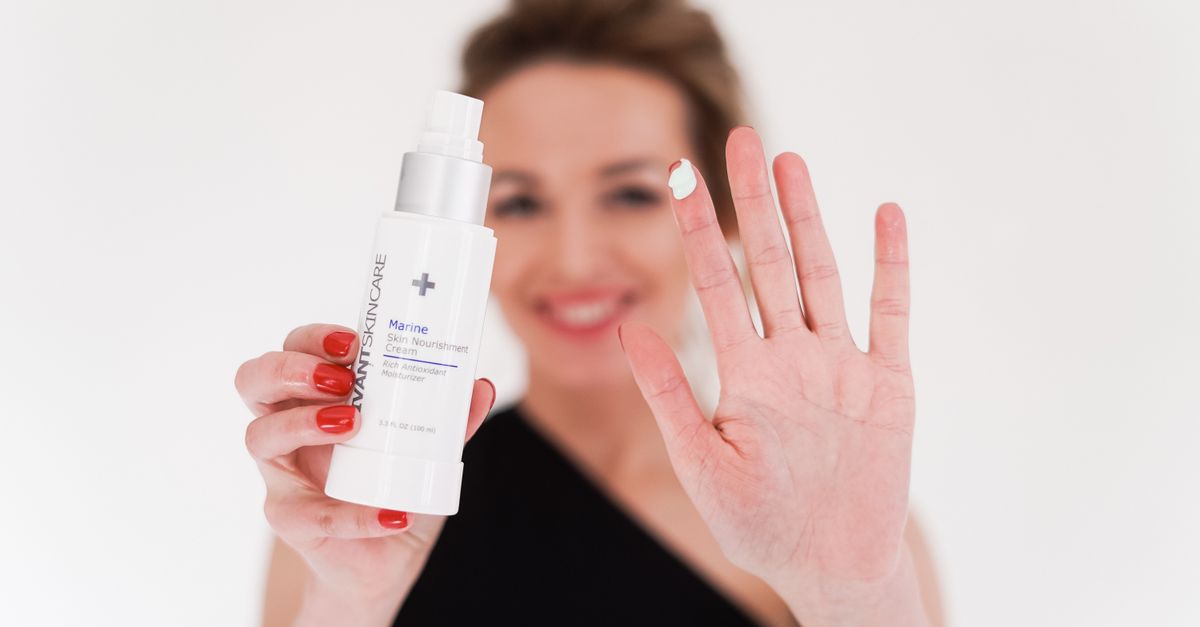
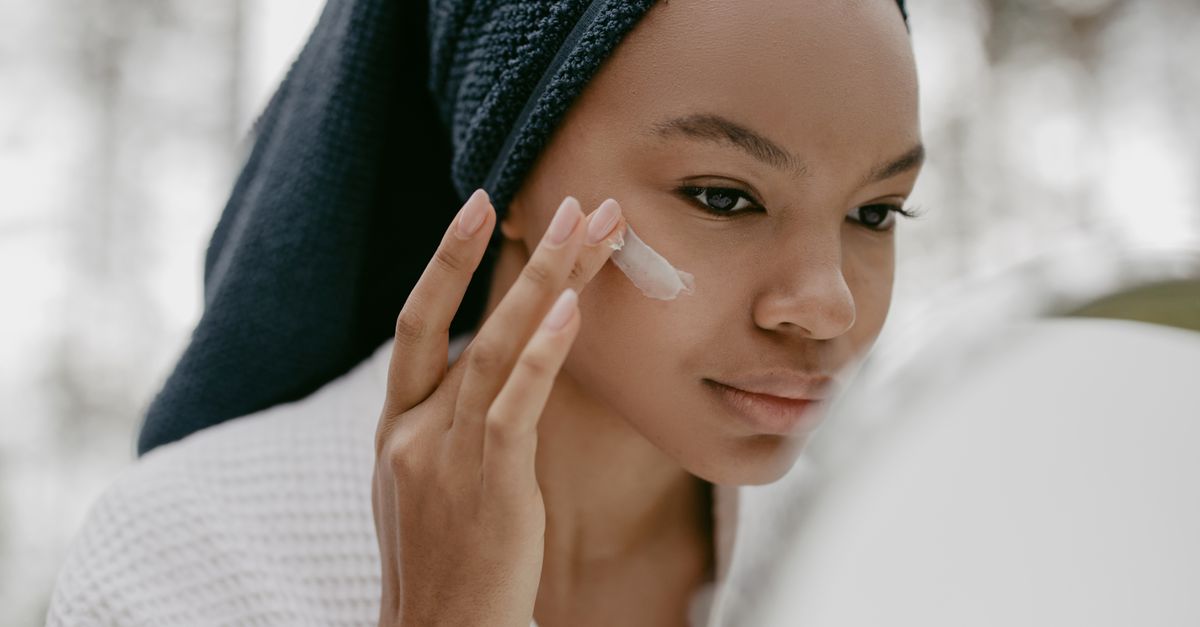
- Apply a ceramide-rich barrier repair cream: Apply a thick cream that contains a proper lipid ratio of ceramides, cholesterol, and free fatty acids. Ceramides directly replace missing intercellular mortar and rebuild the protective wall. Look for soothing additives like panthenol, centella asiatica, allantoic acid, or colloidal oatmeal.
- Seal with occlusives at night: For severe dryness or irritation, apply a thin layer of an occlusive ointment like petrolatum or squalane oil over your cream before sleep. Occlusives form a physical shield that stops transepidermal water loss while you sleep.
- Protect with broad-spectrum zinc oxide sunscreen: Ultraviolet light slows down barrier repair and increases inflammation. Use a gentle mineral sunscreen with zinc oxide every morning. Zinc oxide acts as a physical barrier against light while providing anti-inflammatory benefits to calm irritated skin.
Essential ingredients vs ingredients to avoid
Selecting the right formulations speeds up recovery dramatically. The table below outlines which skincare ingredients actively repair a damaged skin barrier and which ingredients must be avoided until full recovery occurs.
| Ingredient Category | Healing Ingredients to Use | Damaging Ingredients to Avoid |
|---|---|---|
| Moisturizers & Lipids | Ceramides (NP, AP, EOP), Phytosphingosine, Squalane, Fatty Acids | Heavy Synthetic Fragrances, Essential Oils, Citrus Extracts |
| Hydrators & Soothing Agents | Glycerin, Hyaluronic Acid, Panthenol (Vitamin B5), Centella Asiatica | High-concentration Denatured Alcohol, Isopropyl Alcohol |
| Exfoliants & Actives | Colloidal Oatmeal, Niacinamide (under 3%), Allantoin | Glycolic Acid, Salicylic Acid, Lactic Acid, Retinol, Tretinoin |
| Cleansing Agents | Sodium Cocoyl Isethionate, Cetyl Alcohol, Stearyl Alcohol | Sodium Lauryl Sulfate (SLS), Strong Sulfates, Alkaline Bar Soaps |
Daily barrier repair checklist
Maintaining clear daily habits ensures your skin heals without unnecessary setbacks. Follow this simple checklist every morning and evening while your moisture barrier recovers.
- Wash hands thoroughly before touching your face.
- Cleanse with lukewarm water, avoiding hot streams from showerheads.
- Pat your face dry gently with a clean microfiber towel; never rub or drag the fabric.
- Apply humectant serums to wet skin within ten seconds of drying.
- Layer a generous amount of ceramide cream over your face and neck.
- Apply a broad-spectrum mineral sunscreen every morning regardless of weather.
- Drink plenty of water throughout the day to support skin hydration from within.
- Change your pillowcase every two to three days to reduce surface bacteria.
How long does it take to repair a damaged skin barrier?
The skin repair timeline varies depending on your age, overall health, and the severity of the initial damage. A full skin cell cycle takes approximately 28 days for young adults, and up to 45 days or longer as people age. Therefore, repairing a damaged skin barrier usually takes anywhere from two weeks to two full months of strict routine discipline.
In mild cases caused by temporary exposure to cold weather or minor over-cleansing, you may notice significant relief within two to four days after starting a ceramide routine. Full barrier restoration in these minor cases typically takes about two weeks.
For severe cases caused by overuse of prescription retinoids, high-strength chemical peels, or damaged skin from aggressive facial treatments, true recovery takes four to eight weeks. During this period, you must refrain from reintroducing any active exfoliants. Reintroducing strong ingredients too early resets your healing timeline back to square one.
Frequently Asked Questions
Can I use niacinamide while repairing my skin barrier?
Yes, but only in low concentrations between 2% and 5%. Niacinamide stimulates natural ceramide production and reduces surface redness. However, high-concentration formulas containing 10% or more can irritate an already vulnerable skin barrier.
How do I know when my skin barrier is fully healed?
Your skin barrier is healed when basic skincare products no longer cause burning or stinging sensations. Your skin tone will appear calm without red patches, texture will feel smooth, and natural hydration will return without rapid flaking throughout the day.
Should I skip washing my face in the morning?
If your skin feels extremely dry, inflamed, or tight, skipping a morning cleanser is often helpful. Rinsing your face with plain lukewarm water in the morning removes overnight oil without disturbing the lipid layer you worked to restore overnight.
Is slugging good for repairing a damaged barrier?
Slugging, which involves applying a petrolatum-based ointment as the final step of nighttime skincare, is highly effective for dry or compromised barriers. However, if you have acne-prone skin, use light squalane oil instead of heavy petrolatum to avoid trapping congestion in pores.
When can I start using exfoliants or retinoids again?
Wait at least one full week after all signs of stinging, redness, and flaking have completely disappeared. Reintroduce active ingredients slowly, starting with once a week, and build frequency gradually while monitoring your skin for any signs of recurrence.
Official sources
Rules, fees and deadlines change. Confirm the current details on the official source before you act.