If you have noticed your hair becoming rough, dull, tangled or unusually dry even though you shampoo regularly, the water flowing from your tap could be the hidden culprit. Large parts of Ahmedabad and Gujarat receive hard water — water that carries a high amount of dissolved minerals like calcium and magnesium. Over time these minerals build up on your scalp and hair strands, making even the best shampoo feel like it is not working. This guide explains, in simple terms, how hard water affects your hair and gives you a practical routine to protect it.
What is hard water and why is it common in Gujarat?
Hard water contains high levels of minerals, mainly calcium and magnesium, picked up as groundwater passes through rocky and mineral-rich layers. Many neighbourhoods in Ahmedabad and other parts of Gujarat rely partly on borewell or groundwater, which tends to be harder than treated surface water. You may already notice signs of hard water at home:
- White, chalky deposits on taps, tiles and shower heads
- Soap and shampoo that do not lather easily
- A filmy or sticky feeling on your skin after bathing
- Utensils and glassware developing a cloudy layer
If these signs sound familiar, your hair is very likely being affected too.
How hard water damages your hair
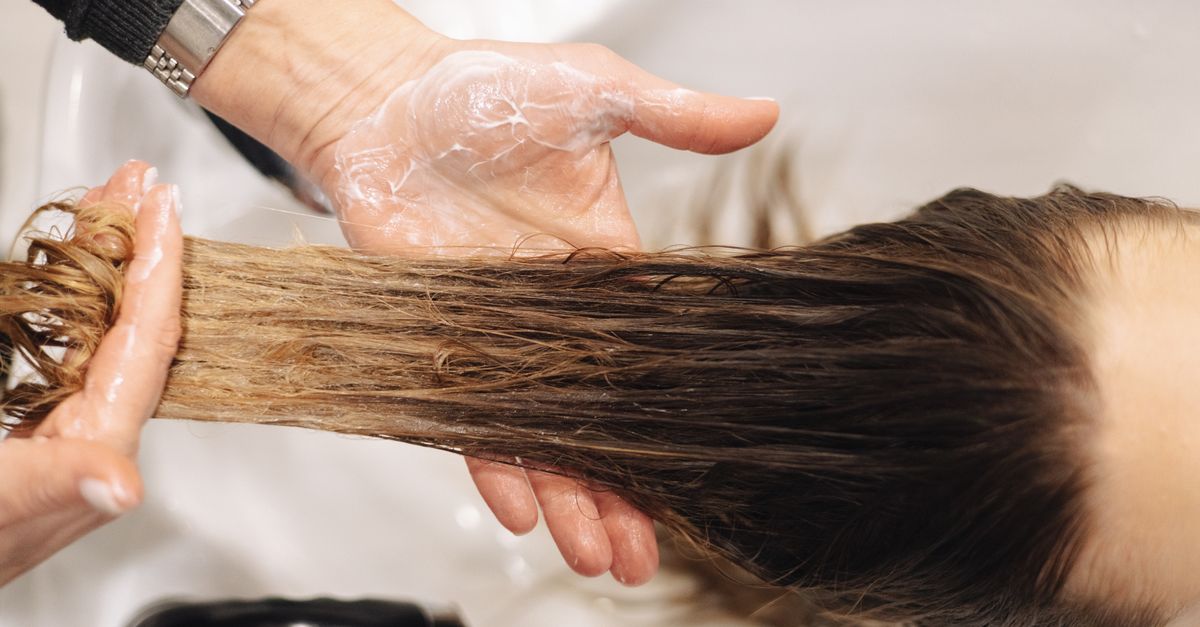
When you wash your hair in hard water, the minerals leave behind a thin, invisible residue on each strand. This causes a chain of problems:
- Dryness and dullness: Mineral build-up blocks moisture from reaching the hair shaft, so hair looks lifeless and feels straw-like.
- Tangles and breakage: Rough, coated strands catch on each other, leading to more knots and hair fall while combing.
- Scalp irritation: Residue can clog the scalp, causing itchiness, flakiness and sometimes dandruff.
- Colour fading: If you colour your hair, hard water can make the shade fade faster and look uneven.
- Weak lather: Because shampoo does not foam well, people tend to use more product, which ironically leaves even more residue.
Tip: Hard water damage builds up slowly. If your hair suddenly improves when you travel to a city with softer water, that is a strong sign hard water is the problem at home.
Step 1: Confirm you actually have hard water
Before changing your whole routine, it helps to be sure. You can do a simple home test: take a clean transparent bottle, fill it about one-third with tap water, add a few drops of plain liquid soap, close the lid and shake vigorously. If you get lots of fluffy bubbles and the water stays clear, your water is likely soft. If there is little foam and the water turns cloudy or milky, you probably have hard water.
For an accurate reading, inexpensive water hardness test kits are available at hardware shops and online. If you are considering a filter or softener, getting your water tested gives you a clearer idea of how hard it really is.
Step 2: Choose the right shampoo and cleanse smartly
Your shampoo choice matters a lot when dealing with hard water.
Use a clarifying or chelating shampoo weekly
A clarifying shampoo is designed to remove build-up. Even better for hard water are chelating shampoos, which contain ingredients (often listed as EDTA or similar) that bind to minerals and wash them away. Using one of these once a week helps strip away accumulated deposits. Look for these at pharmacies, cosmetic stores or trusted online sellers, and always read the label.
Go gentle on other days
Clarifying shampoos can be drying if overused. On regular wash days, use a mild, moisturising, sulphate-free shampoo so you do not strip your hair further. Balance is the key — deep clean once a week, gentle cleanse the rest of the time.
Do not overdo the product
Because hard water reduces lather, resist the urge to keep adding more shampoo. Instead, wet hair thoroughly first, use a coin-sized amount, and focus on massaging the scalp rather than piling shampoo on the lengths.
Step 3: Rinse with softened or acidic water
The final rinse can make a big difference.
- Apple cider vinegar rinse: Mix about two tablespoons of apple cider vinegar in a mug of water and pour it over your hair after shampooing. The mild acidity helps dissolve mineral residue and restores shine. Leave it for a minute, then rinse with plain water. Use this once or twice a week.
- Lemon water rinse: A budget alternative is the juice of half a lemon mixed in a mug of water. It works similarly to vinegar. Avoid this if your scalp is sensitive or if you have any cuts.
- Filtered final rinse: Keep a bottle of filtered or RO water aside and use it for the last rinse. Ending your wash with softer water reduces fresh mineral deposits on clean hair.
Step 4: Deep condition and lock in moisture
Hard water pulls moisture out of your hair, so replacing it is essential.
- Always condition after shampooing, focusing on the mid-lengths and ends, not the scalp.
- Use a deep conditioning hair mask once a week. You can buy one or make a simple home mask with curd (dahi) and a spoon of honey, or with mashed banana. Apply, leave for 20–30 minutes, then rinse.
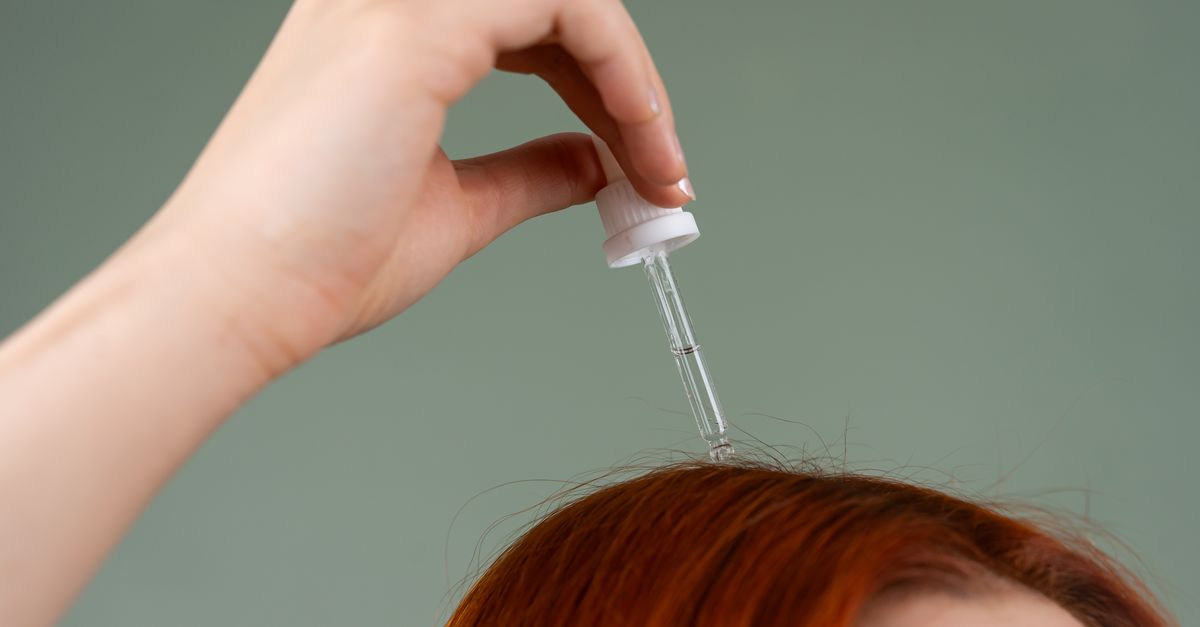
- Apply a light hair serum or a few drops of oil to damp hair to seal in moisture and reduce frizz.
Oiling still helps
The traditional Indian habit of oiling hair is genuinely useful here. Warm coconut, almond or a light hair oil and massage it into your scalp and lengths an hour or two before washing. This creates a protective layer that limits how much mineral residue sticks to your hair.
Step 5: Consider a water softening solution
Products help, but treating the water at its source gives the most lasting results. Depending on your budget, consider:
- Shower filter: A filter that attaches to your shower head or tap can reduce some minerals and is the most affordable, easy-to-install option. It will not fully soften very hard water but noticeably helps.
- Whole-house water softener: A larger investment that treats all the water entering your home. This is worth considering if hardness is severe and affects your skin, appliances and plumbing too.
Before buying, get your water tested and compare a few brands. Prices and effectiveness vary, so choose based on your actual water hardness and household needs rather than marketing claims alone.
Step 6: Everyday habits that protect your hair
- Rinse thoroughly: Leftover shampoo mixes with minerals and worsens build-up, so rinse until the water runs clear.
- Use lukewarm, not hot, water: Hot water increases dryness. Ahmedabad's warm climate means you rarely need very hot water anyway.
- Detangle gently: Use a wide-tooth comb on damp, conditioned hair and start from the ends, working upward, to reduce breakage.
- Cover your hair outdoors: Dust, pollution and strong sun common in Gujarat add to the stress on already-weakened hair. A scarf or cap helps.
- Trim regularly: Get a trim every couple of months to remove dry, split ends caused by mineral damage.
A simple weekly routine to follow
- Before wash: Oil your scalp and hair 1–2 hours before shampooing (2–3 times a week).
- Wash day 1: Use a chelating or clarifying shampoo, then condition.
- Other wash days: Use a mild, sulphate-free moisturising shampoo, then condition.
- After every wash: Finish with a diluted vinegar or lemon rinse, or a filtered-water rinse.
- Once a week: Apply a deep conditioning mask.
- Daily: Apply a light serum or few drops of oil to tame frizz and protect ends.
When to see a professional
Most hard water hair problems improve within a few weeks of a corrected routine. However, if you notice sudden heavy hair fall, persistent severe dandruff, bald patches, or an itchy scalp with rashes, these may not be caused by water alone. In such cases, consult a qualified dermatologist rather than relying only on home remedies. Underlying issues like fungal infections, nutritional deficiencies or thyroid problems can also affect hair and need proper medical attention.
Final thoughts
Hard water is a very common but often overlooked reason behind dry, dull and unmanageable hair in Ahmedabad and across Gujarat. The good news is that you do not need expensive salon treatments to fix it. A weekly clarifying wash, an acidic rinse, regular deep conditioning and, if possible, a water filter can transform how your hair looks and feels. Be patient — give any new routine at least three to four weeks before judging results. With a little consistency, you can keep your hair healthy and shiny despite the water flowing from your taps.
Frequently Asked Questions
How does hard water affect hair in Ahmedabad?
Hard water carries a high amount of dissolved minerals like calcium and magnesium. Over time these minerals build up on your scalp and hair strands, causing dryness, dullness, tangles, breakage, and scalp irritation.
What is a simple test to check for hard water at home?
Take a clean transparent bottle, fill it about one-third with tap water, add a few drops of plain liquid soap, close the lid and shake vigorously. If there is little foam and the water turns cloudy or milky, you probably have hard water.
How can I remove mineral build-up from my hair?
Using a chelating or clarifying shampoo once a week helps strip away accumulated mineral deposits. Additionally, a diluted apple cider vinegar or lemon water rinse helps dissolve residue and restore shine.
When should I see a dermatologist for hair fall?
Consult a qualified dermatologist if you notice sudden heavy hair fall, persistent severe dandruff, bald patches, or an itchy scalp with rashes, as these may indicate underlying medical issues rather than just hard water damage.
Official sources
Rules, fees and deadlines change. Confirm the current details on the official source before you act.