A marriage certificate is one of the most important legal documents a couple can have. It proves your marital status, helps with passport and visa applications, bank and insurance nominations, and protects the legal rights of both spouses. In Gujarat, registering your marriage is now easier than before, with much of the process available online through the state's digital services. This guide explains everything you need to know — who can apply, what documents you need, the step-by-step process, and the fees involved.
Why Marriage Registration Matters
Many couples in Gujarat are married through traditional or religious ceremonies but never formally register the union. While the wedding itself may be socially valid, a registered marriage certificate is the only government-recognised legal proof of marriage. You will need it for several practical reasons:
- Spouse visa and passport — Embassies and the passport office require proof of marriage for spousal applications.
- Bank and insurance — For joint accounts, nominee claims, and policy benefits.
- Legal protection — It safeguards inheritance, maintenance, and property rights, especially for women.
- Name change — Useful when updating your name on Aadhaar, PAN, or official records after marriage.
- Government schemes — Some welfare benefits require proof of marital status.
Tip: Even if your wedding happened years ago, you can still register it. It is never too late to obtain a marriage certificate.
Which Law Applies to You?
In India, marriages are registered under one of two main laws, and it helps to know which one applies to your situation:
Hindu Marriage Act, 1955
This applies when both partners are Hindu, Buddhist, Jain, or Sikh. It is the most common route for couples already married in a traditional ceremony who simply want to register the existing marriage.
Special Marriage Act, 1954
This applies to inter-religion or inter-caste marriages, or where the couple wishes to marry through a civil procedure rather than a religious one. Under this Act, a notice of intended marriage must be given and a waiting period of about 30 days applies before the marriage is solemnised and registered.
Most couples in Gujarat who already had a religious wedding will register under the Hindu Marriage Act or the relevant personal law. Couples planning a court marriage use the Special Marriage Act.
Documents You Will Need
Keep clear scanned copies and originals ready. Requirements can vary slightly by municipality, but you will generally need:
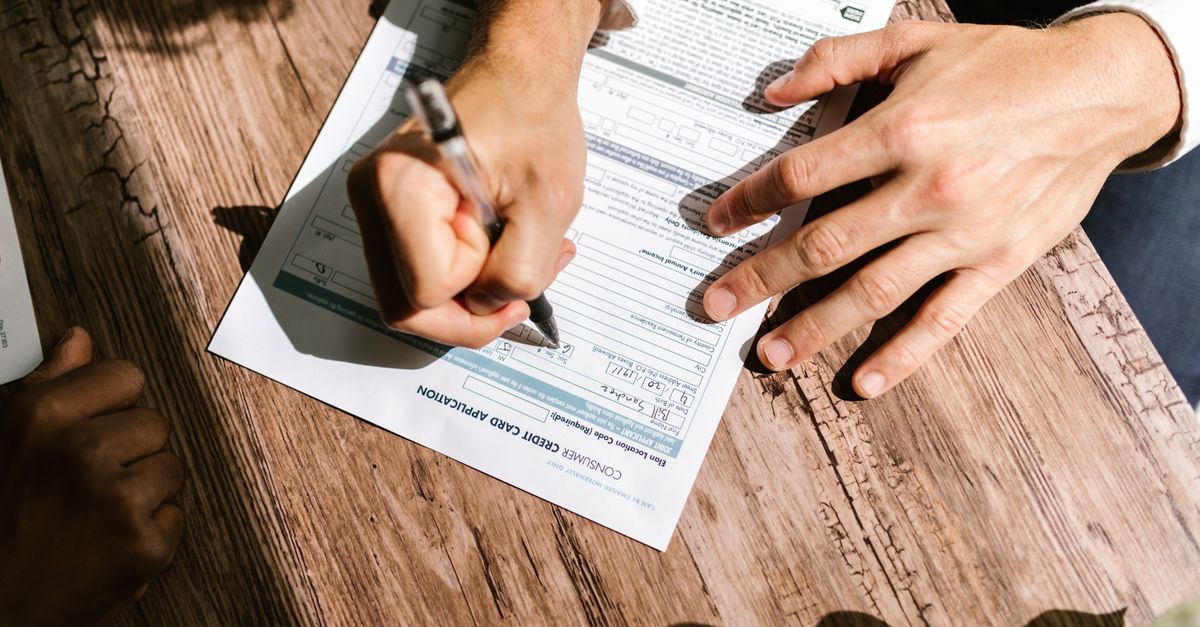
- Application form (online or from the registrar's office), signed by both husband and wife.
- Proof of age for both — birth certificate, school leaving certificate (LC), or passport. The groom must be at least 21 and the bride at least 18.
- Proof of address for both — Aadhaar card, voter ID, electricity bill, or ration card.
- Wedding invitation card or proof of the marriage ceremony having taken place.
- Marriage photographs, usually showing the couple together at the ceremony.
- Passport-size photographs of both partners.
- Witnesses — usually two or three, with their ID and address proof. Witnesses must be present at the time of verification.
- A priest or person who solemnised the marriage may need to provide a declaration, depending on the registrar's requirement.
For marriages under the Special Marriage Act, additional documents and the notice procedure apply. If either partner was previously married, a divorce decree or death certificate of the former spouse is required.
How to Apply Online in Gujarat
Gujarat offers digital civic services through municipal corporation portals and the state's e-services. In the major cities, marriage registration is handled by the local Municipal Corporation or, in smaller towns and villages, by the local registrar (often the Taluka or Nagarpalika office). Here is the general online process:
- Visit the official portal. For Ahmedabad, this is usually done through the Ahmedabad Municipal Corporation (AMC) civic services website. For other areas, use your local municipal corporation or the Gujarat government e-Nagar / civic services portal. Always confirm the correct portal for your city.
- Register or log in. Create a user account using your mobile number and email if you do not already have one.
- Find the Marriage Registration service. Look under civic services or vital records and select the marriage registration application form.
- Fill in the details. Enter the names, dates of birth, addresses, date of marriage, and place of marriage for both spouses, along with witness details.
- Upload documents. Attach scanned copies of age proof, address proof, photographs, the invitation card, and witness IDs in the formats and sizes specified.
- Pay the fee online. Use net banking, UPI, or a card to pay the registration fee.
- Book an appointment / verification. Many offices require the couple and witnesses to appear before the registrar for signature and verification on a chosen date.
- Collect or download the certificate. After verification and approval, the marriage certificate is issued. Many municipalities now allow you to download a digitally signed copy.
Important: Online portals and exact form names change over time. Before starting, search for your specific municipal corporation's official website and verify the current process and fees there, rather than relying on third-party sites.
Offline / In-Person Process
If you prefer or if online registration is not available in your area, you can apply in person:
- Visit the office of the Marriage Registrar in your municipal corporation, Nagarpalika, or Taluka.
- Collect and fill out the application form.
- Submit the completed form with all supporting documents and photographs.
- Both spouses and the witnesses appear before the registrar on the appointed date to sign and verify.
- The registrar verifies the documents and, once satisfied, issues the marriage certificate.
The in-person route is also useful if you have questions or your case is complex, such as a previous marriage or missing documents.
Fees and Timeline
The registration fee in Gujarat is generally modest. A small late fee may apply if you register the marriage well after the wedding date. Because exact amounts differ between municipalities and are revised periodically, check the official fee schedule on your local corporation's website or ask at the registrar's office.
The timeline depends on whether you register under the Hindu Marriage Act (usually quicker, since the marriage already took place) or the Special Marriage Act (which involves a notice period of about 30 days). After verification, the certificate is often issued within a few working days.
Common Mistakes to Avoid
- Mismatched names or spellings across documents — make sure names on Aadhaar, age proof, and the application match exactly.
- Wrong date of marriage — enter the actual ceremony date, supported by your invitation or photos.
- Forgetting witnesses — arrange your witnesses in advance and ensure they bring valid ID.
- Incomplete uploads — blurry scans or wrong file sizes can delay approval.
- Using unofficial agents — you can do this yourself; be cautious of middlemen charging high fees for a simple process.
After You Get the Certificate
Once you receive your marriage certificate, keep both physical and digital copies safely. You may want to make a few attested photocopies for future use. The certificate can now be used to:
- Update your spouse's name as a nominee in bank, insurance, and PF records.
- Apply for a spouse visa or add your partner on a passport.
- Change your surname (if you choose) on Aadhaar, PAN, voter ID, and other records.
- Establish legal rights in property and inheritance matters.
Frequently Asked Questions
Is marriage registration compulsory in Gujarat?
Registration is strongly recommended and, in practice, essential for most legal and official purposes. Several court rulings have emphasised compulsory registration of marriages, so it is wise to register without delay.
Can we register a marriage that happened years ago?
Yes. You can register an older marriage; a small late fee may apply. Keep proof of the ceremony, such as photographs and the invitation card.
Do both partners need to be present?
Usually yes, both spouses and the witnesses are required to appear before the registrar for verification and signatures.
What if one spouse is from another state or country?
It is still possible to register, but you may need additional identity and address proof. For a foreign spouse, extra documentation such as a passport and proof of stay is typically required. Confirm the specific requirements with the registrar.
Final Word
Registering your marriage in Gujarat is a straightforward but important step that protects both partners and makes future paperwork far easier. Gather your documents, choose the correct law for your situation, and apply either online through your municipal corporation's official portal or in person at the registrar's office. Because portals, forms, and fees are updated from time to time, always confirm the latest details on the official government website before you begin. A little effort now gives you a legal document that serves you for a lifetime.
Official sources
Rules, fees and deadlines change. Confirm the current details on the official source before you act.