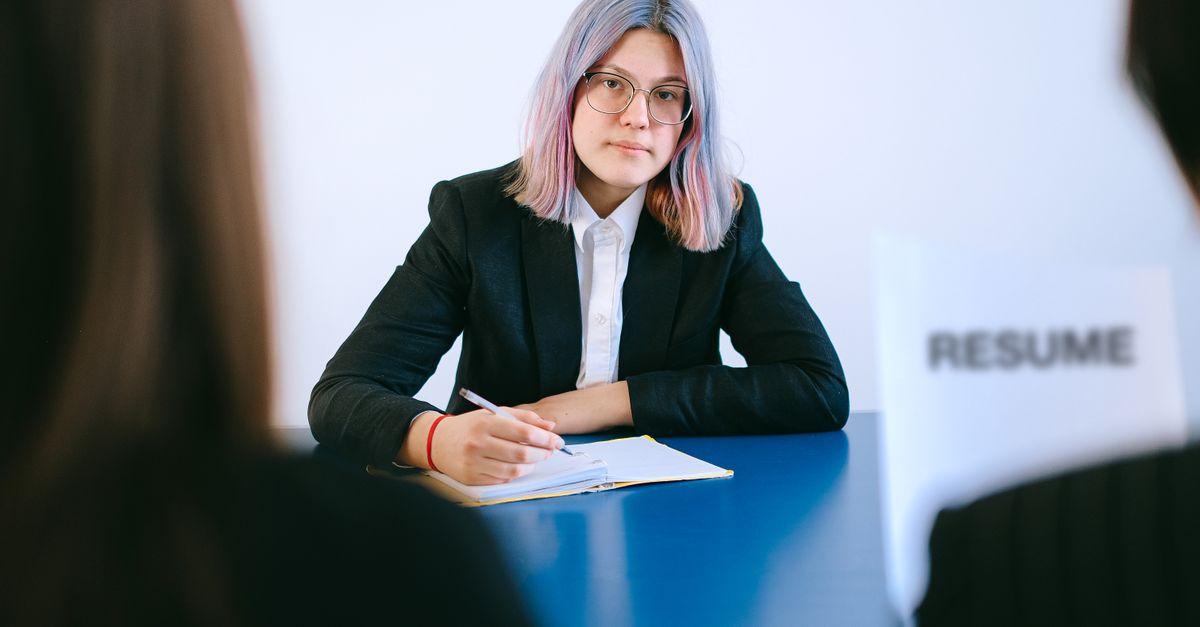
Facing a panel interview can feel intimidating when multiple interviewers fire questions at you from across the table. In Gujarat, corporate offices in Ahmedabad and IT firms in GIFT City frequently use this format to test your subject knowledge and pressure handling. Preparing specifically for a multi-person dynamic gives you a major advantage over other candidates.
To successfully crack a panel interview in Gujarat, you must maintain eye contact with all members, address the person who asked the question first before scanning the rest of the room, and keep your composure under rapid-fire questioning from different departmental heads.
What Makes a Panel Interview Different from Regular One-on-One Interviews?
A standard interview is a conversation between you and a single hiring manager, but a panel brings together HR leads, technical experts, and business unit heads all at once. This setup lets the company evaluate your cultural fit, technical depth, and communication skills simultaneously. You are not just answering questions; you are managing a room full of varying opinions and priorities.
In many companies across Ahmedabad and Vadodara, panels are formed to speed up the hiring pipeline so they do not have to put candidates through four separate rounds. This means a single 45-minute session might cover coding tests, behavioral questions, salary expectations, and situational judgment. Understanding this helps you pace your answers and avoid rambling when a technical expert asks a deep, specific question.
Another key difference is the unspoken hierarchy in the room. Usually, one senior leader or the HR head drives the conversation, while technical leads ask domain-specific questions. Pay attention to who is leading the discussion and tailor the tone of your responses accordingly. Respect everyone equally, but align your core message with what the senior decision-maker cares about most.
How Should You Prepare for Multiple Interviewers?
Preparation for a panel requires more than reading your own resume because you need to anticipate questions from different professional angles. The technical person wants proof of your hard skills, while the HR person checks your stability and attitude. Anticipating these different viewpoints stops you from getting caught off guard by a sudden change in topic.
When you walk into the room or join the video call, take a second to note who is on the panel if their names or designations are visible. Jot down quick notes if needed during introductions so you can address them by name later. Using an interviewer's name when answering their question shows high situational awareness and builds instant rapport.
Practice mock interviews with friends or mentors who can play different roles in the room. Ask one person to act as the strict technical lead and another as the friendly HR manager. This practice trains your brain to switch contexts quickly without losing your train of thought or showing visible frustration.
What are the documents and materials to carry?
- Three physical copies of your updated resume in a clean folder
- Printed copies of certificates and portfolio projects relevant to the job
- A notepad and pen to jot down questions or points raised by the panel
- Government-issued photo ID for security clearance at corporate parks
- Any specific assignment or task printout requested by the recruiter
How to Handle Conflicting Questions from Different Panelists?
One of the trickiest moments in a panel interview happens when two interviewers ask you opposing questions or seem to disagree on a technical approach. This is often an intentional stress test to see how you handle workplace politics and disagreements. Never take sides aggressively or try to prove one interviewer wrong to please the other.
Acknowledge both viewpoints calmly by stating that each approach has valid merits depending on the project goals. You can say that while the technical lead's method ensures high speed, the operational manager's point protects long-term maintenance. This diplomatic framing shows maturity and proves you can bridge gaps between different departments.
If the disagreement is purely factual, stick to industry standards and explain your reasoning clearly without being defensive. Panels respect candidates who stand by sound logic backed by experience rather than people who change their answers to please whoever is speaking. Confidence combined with respect is the winning combination here.
Questions from readers who have prepared for panel rounds
How do I maintain eye contact with five people at once?
You do not need to look at everyone equally every second, but you should direct your gaze primarily at the person who asked the question. As you deliver your answer, slowly scan the other panel members with brief, welcoming glances to keep them engaged. If one senior leader seems particularly quiet, make sure to direct a part of your concluding summary toward them.
What should I do if I do not know the answer to a technical question?
Admit it honestly and quickly without making excuses or guessing wildly. You can follow up by explaining how you would go about finding the solution or researching the topic. Panelists appreciate honesty much more than confident bluffing, especially in technical domains where the truth comes out immediately.
What to Do Next After the Interview Concludes?
Once the panel wraps up and you exit the room or disconnect the video call, take a moment to breathe and let go of the tension. Send a professional thank-you email within twenty-four hours to the HR coordinator who scheduled the round, asking them to pass your regards to the panel members. Keep your follow-ups polite and give the hiring team at least a week to coordinate their feedback before asking for a status update on your selection.
Official sources
Rules, fees and deadlines change. Confirm the current details on the official source before you act.