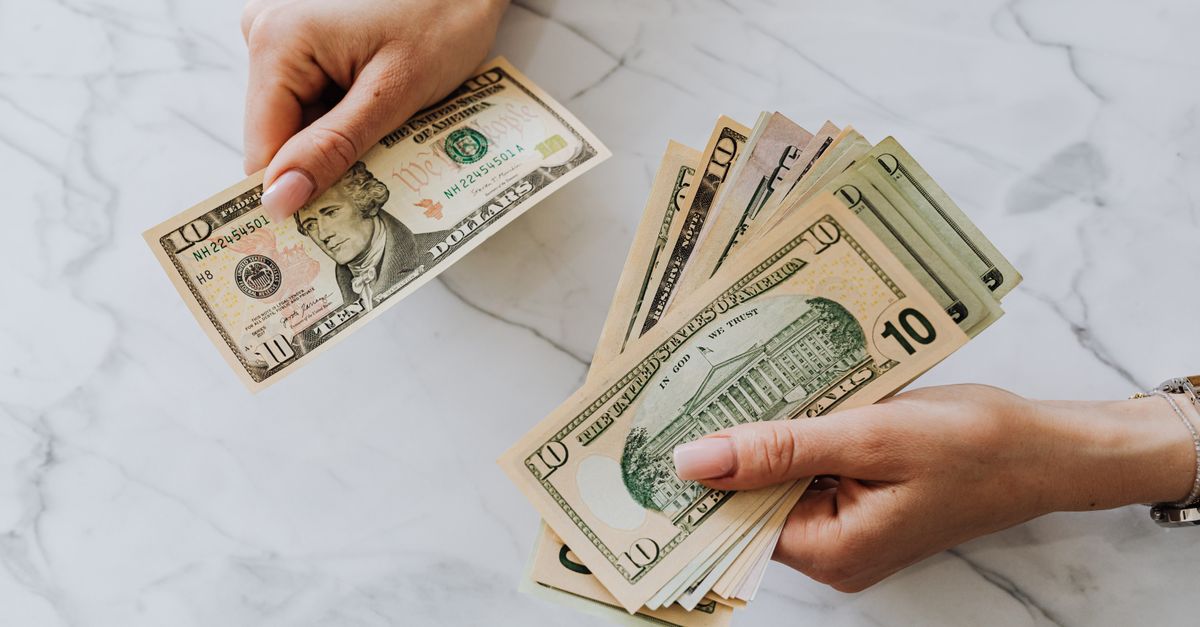
Thousands of middle-class families across Gujarat have hard earned money locked away in forgotten bank accounts, old insurance policies, and unclaimed dividends without even realizing it. Financial institutions and government bodies hold billions of rupees in dormant accounts every year simply because people forget to update their addresses or close old deposits. Finding and recovering these funds takes a bit of patience, but the process is entirely digital if you know where to look.
To claim unclaimed money in India, you must search official government databases like the RBI UDGAM portal for bank deposits and the Life Insurance Council website for policies, verify your identity with KYC documents, and submit a formal claim form to the respective financial institution with proof of ownership.
The single mistake that costs people the most when recovering funds
The single biggest mistake people make is paying money to private agents or middlemen who promise to recover unclaimed funds for a hefty commission. These services often take advantage of anxious families by charging thousands of rupees for tasks you can easily complete yourself for free from your living room. No government portal or regulatory body charges any fee to search for or initiate a claim on dormant accounts. When you use official channels, every single rupee recovered goes directly into your active bank account without any third party deductions. Legitimate portals require only your personal identity proof, original account details, and standard verification steps that take a few minutes.
The other traps and how to handle them properly
Another common trap is abandoning the search after checking only one bank or single institution. Most middle-class individuals switch jobs, open salary accounts, and buy multiple insurance policies over decades, meaning money could be scattered across three or four different places. You need to check multiple platforms separately because there is no single master portal that covers bank accounts, mutual funds, insurance, and provident fund money all at once. People also make the error of ignoring minor amounts thinking it is not worth the effort, but compound interest over the years can turn a small forgotten balance into a substantial sum. Always check every variation of your spelling and previous residential addresses because old records often contain typographical errors made by bank clerks.
How to search and claim step by step
Recovering your family's forgotten wealth requires following a clear sequence across the right official government platforms. Use this numbered guide to trace and claim your money properly.
- Visit the official RBI UDGAM portal at RBI Official Website to search for unclaimed deposits across multiple banks using your PAN card and registered mobile number.
- For insurance policies, check the Life Insurance Council portal or individual company websites to find policies where maturity proceeds remained unclaimed.
- Check the Investor Education and Protection Fund authority website for unclaimed dividends, shares, or matured debentures from old stock investments.
- Gather your original identity proofs including Aadhaar, PAN card, cancelled cheque, and old passbooks or policy documents.
- Submit the completed claim form along with your KYC documents directly to the home branch of the bank or the head office of the financial institution holding the funds.
How to verify you got the process right
Once you submit your claim paperwork, the financial institution will verify your signature, address history, and identity documents against their archival records. You will receive an acknowledgment receipt with a unique reference number tracking your application status. A successful verification ends with the institution transferring the exact balance directly via electronic fund transfer to your active savings account. If the bank or company rejects the request due to a mismatch in signatures or old addresses, they will issue a formal letter explaining the exact discrepancy that needs fixing. You can then resubmit the corrected documents without having to restart the entire search procedure from scratch.
What to do if you already made the mistake of paying an agent
If you already handed over documents or money to an unauthorized third-party agent who is now ignoring your calls, you need to act quickly to protect your financial security. First, inform your bank immediately that your old account details might be compromised and ask them to place a temporary freeze on any direct movement. Next, change your net banking passwords and ensure your primary mobile number and email address remain securely linked to your active accounts. You can report fraudulent recovery agents on the national cyber crime reporting portal at Cyber Crime Portal to safeguard your interests. Remember that official institutions communicate only through their verified corporate domains and never ask for advance fees or OTPs over phone calls.
What documents are mandatory to claim an old bank account?
You must provide a self-attested copy of your PAN card, Aadhaar card, a recent passport-sized photograph, and a cancelled cheque of your active bank account. If the original account holder has passed away, legal heirs must submit a succession certificate, death certificate, and a registered indemnity bond along with their own KYC paperwork.
How long does it actually take to get the money?
The verification and transfer process usually takes anywhere from thirty to ninety days depending on how old the records are. Bank branches often have to pull physical ledgers from archives for accounts dormant for more than a decade, which can slow down the initial tracking phase.
Is there any time limit to claim unclaimed money?
There is no statutory time limit that bars you from claiming your money, meaning funds remain your legal property indefinitely. However, banks transfer balances unclaimed for over ten years to the Depositor Education and Awareness Fund maintained by the Reserve Bank, from where you can still claim them anytime through proper verification.
Official sources
Rules, fees and deadlines change. Confirm the current details on the official source before you act.