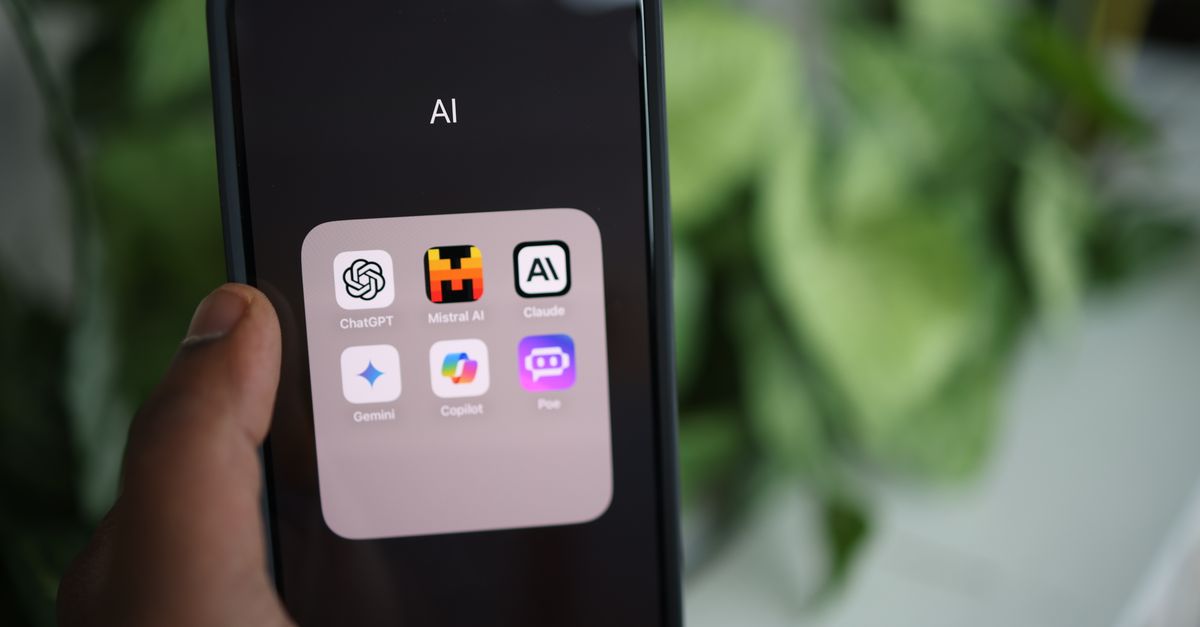
Finding the best ai image generators can feel like moving through a rapidly shifting landscape. Generative art models have evolved from experimental novelty tools into production-grade assets capable of creating photorealistic portraits, vector graphics, precise brand concepts, and clean typography. Marketers, digital designers, software developers, and content creators now rely on these systems for daily creative workflows.
In this evaluation, we examine three leading options dominating the generative space: Midjourney, Flux by Black Forest Labs, and OpenAI's DALL-E 3. Each tool takes a distinct architectural approach, resulting in noticeable differences in output aesthetic, prompt precision, workflow integration, and platform accessibility.
What Makes the Best AI Image Generators Stand Out?
Evaluating synthetic media platforms requires looking past surface level visuals. When selecting an image generator for professional or personal projects, several core technical and practical factors determine overall utility:
- Prompt Adherence: How accurately the model interprets complex user instructions, spatial arrangements, and multi-subject compositions without ignoring background details.
- Typography and Text Rendering: The ability to spell clean, legible text within an image without distorted lettering or garbled symbols.
- Aesthetic Flexibility: Versatility across diverse art styles, ranging from editorial photography and architectural renders to flat vector art and UI concepts.
- Access and Integration: Options for web interfaces, API endpoints, workflow scripts, or self-hosted open-weights deployments for automated software pipelines.
- Cost and Licensing: Transparent pricing structures, commercial usage rights, and daily generation limits.
Midjourney: Unmatched Artistic Direction and Realism
Midjourney remains a primary benchmark for image fidelity and artistic nuance. Famous for cinematic lighting, rich textures, and sophisticated visual default settings, it excels at transforming brief text descriptions into striking imagery.
Originally operating exclusively through Discord, Midjourney now offers a feature-rich web platform that streamlines image creation. The web dashboard provides dedicated sliders and controls for parameters like aspect ratios, stylize values, chaos, and variation intensity, lowering the barrier to entry for users who prefer visual controls over chat commands.
Midjourney shines in photorealism and creative concept art. Its recent model updates handle lens depth, skin textures, natural lighting, and painterly styles with fine consistency. The tool includes robust editing features such as vary region, which allows users to select specific areas of an image to repaint or alter without regenerating the entire composition.
However, Midjourney operates as a closed platform. It does not offer an official developer API for direct application integration, meaning software engineers must rely on alternative tools or complex workarounds. Additionally, prompt adherence for multi-subject spatial layouts can occasionally lean toward artistic flourish rather than literal precision. As of writing, paid subscription plans start with tiered monthly limits, and users should consult Midjourney's official site for current pricing structures.
Flux: Open Innovation, Text Precision, and Developer Flexibility
Flux, developed by Black Forest Labs, has quickly gained momentum across developer and digital media communities. Created by team members who previously worked on open-source diffusion models, Flux is available in multiple tiers, including open-weights releases like Flux Schnell and Flux Dev, as well as high-performance enterprise endpoints like Flux Pro.
Flux stands out for its prompt adherence and clean text rendering. Where older generative models struggle to render readable signboards or accurate logos, Flux consistently delivers crisp, correctly spelled text inside generated artwork. It also follows complex multi-subject prompts closely, placing background and foreground elements precisely where requested without merging distinct objects together.
Because Flux offers open-weights access for certain model tiers, an expansive developer ecosystem has grown around it. Web developers and technical creators can run Flux locally on capable consumer graphics hardware, deploy it to cloud infrastructure, or connect through hosted API services like Replicate and Fal.ai. This flexibility makes Flux an outstanding option for software teams building custom creative applications or internal content automation systems.
On the downside, obtaining optimal output quality from open-weight Flux deployments requires solid prompt structure or custom fine-tuning using Low-Rank Adaptations, known as LoRAs. Hosted API calls can also accumulate costs quickly during high-volume batch jobs. As of writing, API rates vary based on the host platform, so checking current developer pricing on official partner sites is recommended.
DALL-E 3: Conversational Prompting and Ecosystem Integration
OpenAI designed DALL-E 3 with a heavy emphasis on natural language understanding. Embedded directly into ChatGPT and accessible via the OpenAI platform, DALL-E 3 utilizes large language model integration to process and expand user prompts automatically behind the scenes.
When a user inputs a basic request into ChatGPT, the assistant rephrases it into a detailed descriptive prompt before sending it to the image model. This approach makes DALL-E 3 accessible for non-technical users who do not want to learn specialized parameter flags or complex render terminology. DALL-E 3 handles abstract logic, sequential commands, and complex narrative descriptions effectively.
DALL-E 3 is also accessible through the standard OpenAI API, allowing developers to add text-to-image features into existing software platforms, content management systems, or customer support bots without setting up separate infrastructure.
The primary tradeoff with DALL-E 3 is its default visual aesthetic. Images can sometimes appear overly smooth, illustrative, or synthetic when compared to the natural textures produced by Midjourney or Flux. DALL-E 3 also enforces strict safety filters that can occasionally reject benign prompts involving editorial topics or stylized portraits. As of writing, access is included with standard ChatGPT tier subscriptions or billed on a pay-per-image basis via the OpenAI API.
Feature Comparison: Evaluating the Top Tools
The following table breaks down how these platforms compare across core operational metrics:
| Tool | Primary Strengths | Prompt Adherence | Typography Quality | Access Methods | Pricing Model (as of writing) |
|---|---|---|---|---|---|
| Midjourney | High artistic fidelity, cinematic realism, web canvas controls | Moderate to High | Good | Web UI, Discord | Monthly Subscription |
| Flux | Exact layout control, clear text rendering, developer APIs | Very High | Excellent | Hosted API, Local GPUs, Third-party UIs | Pay-per-generation API or Subscription |
| DALL-E 3 | Conversational prompting, ChatGPT integration, simple workflow | High | Good | ChatGPT UI, OpenAI API | Subscription inclusion or API usage fees |
Hands-On Performance: Putting Text to Image Tools to the Test
To evaluate how these best ai image generators perform in real production scenarios, we ran comparative tests across common commercial visual workflows.
Scenario 1: Commercial Product Mockups with Labels
When generating a matte black beverage container featuring a clear label reading "ORGANIC BLEND" set on a stone counter, Flux took top honors for letter structure and crisp edge rendering. DALL-E 3 rendered the text cleanly on the first try but produced a slightly smooth digital render. Midjourney created a realistic photograph with natural depth of field, though short text strings occasionally required two or three variations to correct minor character shapes.
Scenario 2: Complex Spatial Layouts
For prompts describing explicit arrangements, such as "a modern minimalist chair on the left, a tall ficus plant on the right, and a large abstract oil painting centered behind them," both Flux and DALL-E 3 followed spatial boundaries accurately. Midjourney delivered a visually striking interior, but required precise region editing to keep all three elements separate without altering the overall composition.
Bottom Line: Which AI Image Generator Should You Pick?
The right choice depends on your production workflow, technical environment, and visual requirements:
- For Art Directors, Illustrators, and Marketing Designers: Midjourney remains the top choice when maximum visual appeal, stylistic depth, and photorealism take priority over API integration.
- For Developers, Automation Engineers, and Product Teams: Flux provides an optimal balance of precise prompt adherence, sharp text rendering, open-weights deployment, and flexible API options.
- For Content Writers and Casual Creators: DALL-E 3 inside ChatGPT offers the easiest entry point, allowing you to generate and edit visual concepts using simple natural language conversations.
Frequently Asked Questions
Which AI image generator is best for creating clear text in images?
Flux is currently one of the most reliable models for generating legible text and typography inside images. DALL-E 3 also handles text effectively, while Midjourney offers steady improvements in typography rendering across recent model updates.
Can I use AI generated images for commercial projects?
Yes, most commercial platforms grant full commercial usage rights to images generated on paid tier plans. However, copyright regulations regarding synthetic media vary by country. You should always review the current terms of service on the official website of the tool you select.
Which image generator offers an official API for developers?
Both Flux (available via hosts like Replicate, Fal.ai, or dedicated enterprise endpoints) and DALL-E 3 (via the OpenAI API) provide official developer endpoints. Midjourney does not currently offer an official public API for external application integration.
Do I need a high-end graphics card to run these tools?
No, you do not need special hardware to use Midjourney, DALL-E 3, or cloud-hosted API versions of Flux. These systems run generative models on cloud servers and send the rendered images directly to your web browser or application platform.