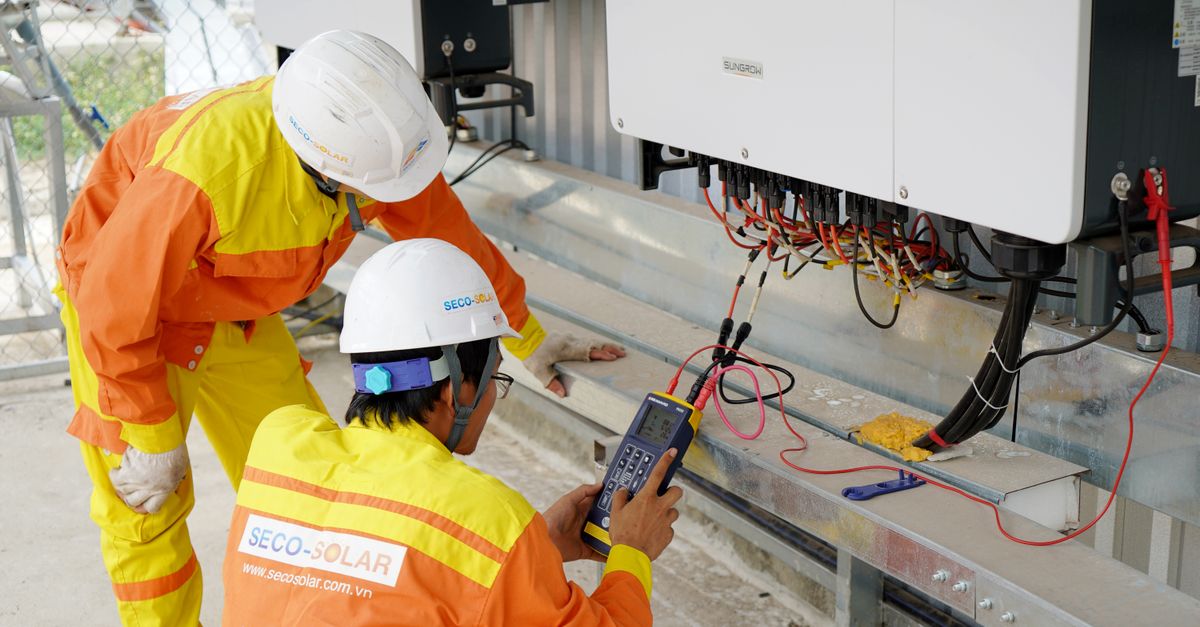
Electricity bills take up a large share of the monthly budget for middle-class households across Ahmedabad, Surat, Vadodara, and Rajkot. With high summer temperatures pushing air conditioner usage higher every year, installing rooftop solar power has become one of the most effective ways to reduce your monthly expenses. The central government PM Surya Ghar Muft Bijli Yojana offers substantial financial subsidies, making solar installation accessible and affordable for homeowners across Gujarat. By generating your own clean power, you can eliminate up to 300 units of monthly power consumption and sell extra electricity back to your local power distribution company.
Quick Summary of PM Surya Ghar Scheme in Gujarat
The PM Surya Ghar Muft Bijli Yojana is a national scheme aimed at solarizing residential homes across India. Here are the main highlights for residents living in Gujarat:
- Free Monthly Electricity: Designed to provide up to 300 units of free electricity every month for residential households.
- Direct Government Subsidies: Central subsidy of Rs 30,000 for 1 kW systems, Rs 60,000 for 2 kW systems, and Rs 78,000 for systems of 3 kW or higher capacity.
- Seamless DISCOM Integration: All major Gujarat power distributors, including Torrent Power, DGVCL, MGVCL, UGVCL, and PGVCL, are fully integrated on the national application portal.
- Easy Online Process: Registration and tracking are managed entirely online through pmsuryaghar.gov.in using your electricity bill details, Aadhaar card, and bank account information.
- Low-Interest Financing: Major public sector and private banks offer collateral-free solar loans with low interest rates to help fund the remaining balance after subsidy deduction.
Understanding the PM Surya Ghar Muft Bijli Yojana
The PM Surya Ghar Muft Bijli Yojana was launched by the Central Government to transform residential energy consumption across India. Gujarat has long been a pioneer in solar energy adoption, and this national scheme builds upon that foundation by making rooftop solar financially viable for ordinary middle-class families. Through this program, eligible homeowners receive direct financial assistance to set up grid-connected rooftop solar systems.
A grid-connected solar rooftop system works by placing photovoltaic panels on your roof. These panels absorb sunlight and produce direct current (DC) electricity. A solar inverter converts this DC electricity into alternating current (AC) power, which runs your household appliances such as lights, ceiling fans, refrigerators, washing machines, and air conditioners. When your solar system generates more electricity than your home consumes during sunny afternoon hours, the surplus electricity automatically flows into the power grid. Your DISCOM records this exported power using a specialized net meter.
Net metering is the core financial engine of rooftop solar. At the end of each billing cycle, your electricity company calculates your net consumption by subtracting the total units exported to the grid from the total units imported from the grid. You only pay for the net difference. If your system exports more power than you consume over a month, the excess credit carries forward to lower future bills or gets paid out according to state regulatory standards.
| System Capacity | Average Daily Generation | Estimated Monthly Savings | Central Subsidy Amount |
|---|---|---|---|
| 1 kW System | 4 to 5 Units | Rs 800 to Rs 1,100 | Rs 30,000 |
| 2 kW System | 8 to 10 Units | Rs 1,800 to Rs 2,300 | Rs 60,000 |
| 3 kW System | 12 to 15 Units | Rs 3,000 to Rs 3,800 | Rs 78,000 |
| Above 3 kW | 15+ Units | Rs 4,000 or more | Rs 78,000 (Maximum Cap) |
For most urban and semi-urban households in Gujarat living in independent homes, row houses, or duplexes, a 3 kW solar system provides the best return on investment. A 3 kW plant comfortably covers the electrical load of two inverter air conditioners, water pumps, lighting, and heavy kitchen appliances during daytime peak hours, bringing monthly power bills close to zero for most of the year.
Eligibility Criteria for Gujarat Residents
To qualify for the subsidy under the PM Surya Ghar scheme in Gujarat, applicants must satisfy specific government requirements:
- Residential Status: The applicant must be an Indian citizen living in Gujarat who owns a residential house with suitable, unshaded roof space. Commercial, industrial, and institutional properties are not eligible for residential subsidies under this scheme.
- Valid Electricity Connection: You must hold an active residential electricity connection in your name with a recognized Gujarat DISCOM. Participating distributors include Dakshin Gujarat Vij Company Limited (DGVCL), Madhya Gujarat Vij Company Limited (MGVCL), Paschim Gujarat Vij Company Limited (PGVCL), Uttar Gujarat Vij Company Limited (UGVCL), and Torrent Power (serving Ahmedabad, Surat, and Gandhinagar).
- Roof Rights and Space: The roof area must be structural and physically capable of supporting the mounting structures and solar panels. It must receive clear, direct sunlight between 10 AM and 4 PM without heavy obstruction from adjacent multi-story buildings, dense trees, or water tanks.
- No Prior Subsidy Claim: The applicant must not have claimed a government solar subsidy for the exact same connection or roof under previous state or central initiatives such as the Surya Gujarat scheme.
Documents Required for Application
Before launching the online application process, ensure you have digital copies (PDF or clear image files) of the following mandatory documents ready:
- Aadhaar Card: Identity proof of the registered electricity connection account holder.
- Recent Electricity Bill: Latest paid bill showing the clear service address, consumer number, and tariff category (residential).
- Proof of Property Ownership: Index II, property tax receipt, municipal tax bill, or property sale deed proving ownership of the premises.
- Bank Account Details: Clear copy of a cancelled cheque or bank passbook front page displaying the account holder name, account number, and IFSC code. The account must belong to the applicant for Direct Benefit Transfer (DBT) credit.
- Rooftop Photograph: High-resolution photograph showing the clear, unshaded roof area intended for panel installation.
- Active Mobile Number: Phone number linked to Aadhaar for receiving OTP verifications during portal registration.
Step-by-Step Guide: How to Apply Online in Gujarat
Applying for the PM Surya Ghar scheme is simple and can be completed online without visiting government offices. Follow these detailed steps to submit your application:
Step 1: Registration on the National Portal
Go to the official national solar portal at pmsuryaghar.gov.in. Click on the button to apply for rooftop solar on the homepage. Select Gujarat as your state, choose your specific electricity distribution company (such as PGVCL, DGVCL, UGVCL, MGVCL, or Torrent Power), and enter your electricity consumer account number exactly as printed on your bill. Enter your mobile number and perform OTP verification to complete your account setup.
Step 2: Submit Technical Feasibility Application
Log in using your registered mobile number and consumer details. Fill out the solar rooftop application form by uploading your latest electricity bill, property proof, and basic details regarding your proposed system capacity (for example, 3 kW). Submit the application for technical feasibility approval. Your local DISCOM will review your transformer capacity and technical feasibility. Feasibility approval is usually granted digitally through the portal within a few business days.
Step 3: Choose an Empaneled Solar Vendor
Once feasibility approval is granted by your DISCOM, log into the portal to view the list of registered and empaneled solar vendors operating in your district (such as Ahmedabad, Vadodara, Rajkot, or Surat). Select an empaneled vendor after comparing rates, panel quality, inverter brands, and warranty terms. Sign a standard installation agreement with the chosen vendor. Never contract with unapproved vendors, as unlisted installers cannot claim government subsidies for you.
Step 4: System Procurement and Installation
Your chosen vendor will conduct an on-site technical inspection, measure your roof space, determine panel orientation, and install the solar PV modules, inverter, structure, wiring, and safety earthing. Ensure that the vendor uses ALMM-approved (Approved List of Models and Manufacturers) solar panels and BIS-certified inverters to meet subsidy eligibility standards.
Step 5: Net Meter Installation and Inspection
After physical installation is completed, the vendor submits the work completion report and net meter application on the national portal on your behalf. A technical officer from your DISCOM (such as DGVCL or Torrent Power) will visit your residence to inspect the installation, verify safety earthing, check component specifications, and install the bidirectional net meter.
Step 6: Commissioning Certificate and Subsidy Transfer
Following successful inspection and net meter installation, the DISCOM issues a digital Commissioning Certificate on the portal. Log back into pmsuryaghar.gov.in, upload your bank account details along with a cancelled cheque, and submit your claim. The central subsidy amount (up to Rs 78,000) will be credited directly into your linked bank account via Direct Benefit Transfer (DBT) within 30 days of certificate approval.
Bank Loans and Financial Support for Gujarat Residents
While the government subsidy covers a major portion of the total installation cost, homeowners must pay the remaining balance to the vendor. To make this process convenient, the central government has partnered with leading public sector and private banks to offer low-interest solar rooftop loans.
Banks such as State Bank of India (SBI), Bank of Baroda (BOB), Canara Bank, and Punjab National Bank offer dedicated rooftop solar financing. These loans feature attractive terms including zero collateral requirements, minimal processing fees, low interest rates, and extended repayment tenures up to 7 years. You can apply directly for these loan schemes through the national portal dashboard while completing your solar application, making financing quick and hassle-free.
Choosing the Right System Capacity and Solar Vendor
Selecting the appropriate solar system capacity and reliable installer is crucial for ensuring peak energy generation over a 25-year system life. Consider the following factors:
System Capacity Selection: Calculate your average monthly power consumption in units. If your monthly usage is around 150 units, a 1.5 kW to 2 kW system is sufficient. If your monthly usage ranges between 250 and 400 units, a 3 kW system is recommended. For high-usage households consuming over 500 units monthly, system capacities of 4 kW to 5 kW should be evaluated.
Vendor Verification: Always select a vendor listed under the official empaneled list on the national portal. Check vendor track records, customer reviews in your area, availability of local service centers, and maintenance response times. A good vendor handles DISCOM paperwork smoothly and ensures high-quality structural mounting that can withstand Gujarat's coastal winds and monsoon storms.
Component Warranties: Ensure your vendor provides standard manufacturer warranties: at least 25 years of performance warranty on solar panels and 5 years of comprehensive warranty on solar inverters. Demand high-efficiency Mono PERC or TOPCon solar modules to maximize generation from limited roof spaces.
Common Mistakes to Avoid During Application
To prevent processing delays or rejection of your subsidy claim, avoid these common errors:
- Name Discrepancies: Ensure the applicant name matches across your electricity bill, Aadhaar card, and bank account. Mismatched names cause delays in DBT subsidy processing.
- Installing Before Feasibility Approval: Do not begin physical rooftop installation before your DISCOM issues formal technical feasibility approval on the portal.
- Hiring Unregistered Vendors: Contracting with local non-empaneled electricians or installers will disqualify your project from receiving the central subsidy.
- Incorrect Bank Account Details: Double-check your IFSC code and account number while uploading details on the portal to avoid failed bank transfers.
- Shaded Panel Placement: Placing solar panels near water tanks, high parapet walls, or under tree shadows reduces daily power output significantly.
Frequently Asked Questions
Can I apply for PM Surya Ghar scheme if I live in an apartment in Gujarat?
If you live in an apartment building, individual flat owners can apply if they own exclusive rights to a specific rooftop area. Alternatively, Housing Societies and Resident Welfare Associations (RWAs) can apply for common light and elevator connections under dedicated society solar schemes, though individual residential subsidies apply primarily to independent homes and duplexes.
How long does it take from application submission to receiving the subsidy in Gujarat?
The entire process typically takes between 30 to 60 days from initial portal registration to subsidy credit into your bank account. Timelines depend on vendor responsiveness, DISCOM net meter availability, and prompt document uploads on the national portal.
What happens if the electricity bill is under my landlord's or father's name?
The application on the national portal must be filed under the name of the person whose name appears on the electricity bill. If the bill is in your father's or landlord's name, the Aadhaar and bank account submitted for subsidy transfer must also belong to that exact individual. Alternatively, you can request a name change on the electricity connection through your DISCOM before applying.
Do solar panels continue generating electricity during monsoon season in Gujarat?
Yes, solar panels continue generating electricity during overcast or rainy weather in Gujarat, although generation levels drop to roughly 20 percent to 50 percent of peak capacity depending on cloud density. Because your system is connected to the grid via net metering, any deficit during monsoons is seamlessly drawn from the grid, while clear summer days generate surplus credits to offset rainy periods.
Official sources
Rules, fees and deadlines change. Confirm the current details on the official source before you act.